Goods and services trade added about $2 trillion in the first half of 2026. Much of the rise reflects higher prices, leaving a more uneven volume story underneath.
The temporary loss of major Gulf LNG volumes sent gas prices sharply higher. Power systems able to switch fuels, store energy and shift demand handled the shock better.
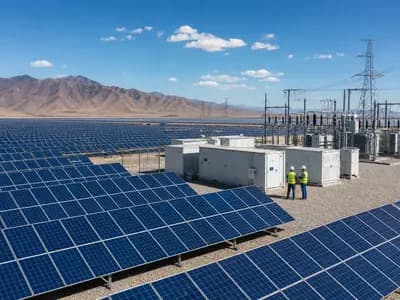
Solar generation is set for another record increase, but panels alone cannot solve evening peaks or connection delays. The next value pool is flexibility and networks.
The IEA expects global electricity use to grow 3.6% in 2026 and 3.8% in 2027. Cooling, industry, EVs and data centers are turning power capacity into an economic constraint.
The World Gold Council's base case points to a range around $4,100, but rates, positioning and geopolitical risk leave unusually large paths on either side.
Europe's policy rates are unchanged, yet banks expect lending standards to tighten again. The real economy may feel restraint even without another formal rate increase.
JOLTS, productivity, payrolls and Treasury refunding arrive in one compressed week. Together they can change what investors believe about rates, growth and bond supply.
OECD labor markets remain strong, yet real wages are still below 2021 levels in about one-third of member countries. A job alone does not settle the cost-of-living question.
The IMF still sees 3% global growth in 2026, yet that headline hides a widening gap between technology-linked winners and economies squeezed by war and energy costs.
Crude shipments through the Gulf have recovered sharply, yet refineries and fuel supply remain constrained. That gap explains why cheaper oil may not quickly reach consumers.
Tighter LNG supply is reducing gas demand, but the deeper risk runs through electricity, industry, fertilizer and food prices. Energy security is becoming economic security.