Dow Sheds More Than 600 Points as Brent Passes $116 and Houthi Attacks Rattle Wall Street
Oil, not chips, drove Friday's selloff: the Dow fell 1.2 percent and most sectors slid while the Nasdaq barely moved. Energy shares hit a record ahead of a Fed meeting and big-tech earnings.
Saturday, October 24, 2026/2 min read
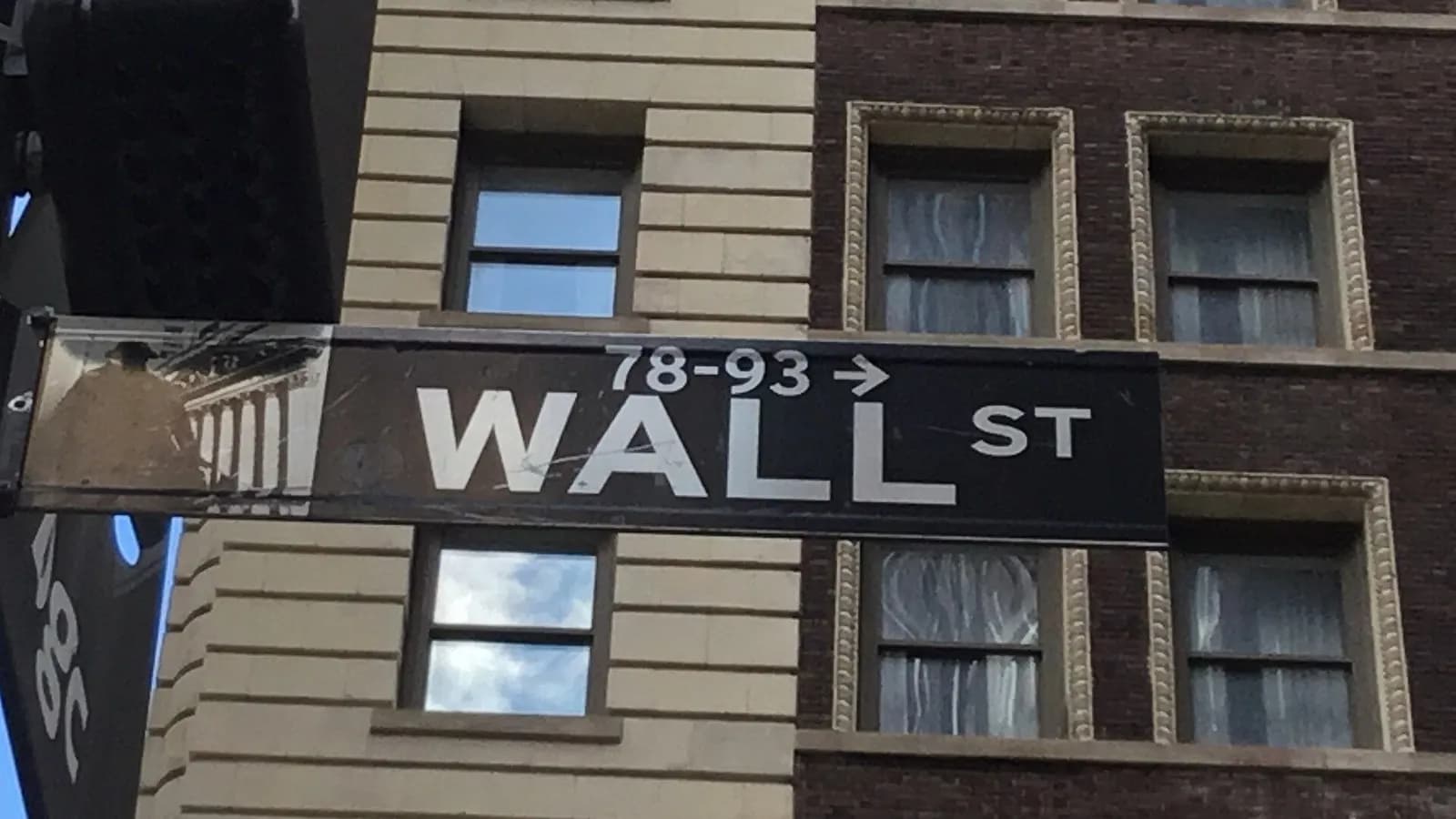
Wall Street ended a choppy week on the back foot, and the culprit was oil. The Dow Jones Industrial Average fell 1.2 percent to 52,215.16 on Friday, the S&P 500 dropped 0.5 percent to 7,623.68 and the Nasdaq composite slipped 0.2 percent to 25,955.34, according to the Associated Press market tally. The Dow lost more than 600 points.
The S&P 500 and Nasdaq finished lower for a second straight week. The Dow rose 0.4 percent over the five days and the small-cap Russell 2000 gained 2 percent. Even so, all four indexes remain up for the year, with the Nasdaq ahead 11.7 percent and the S&P 500 up 11.4 percent.
Why did stocks fall on Friday?
Fresh Houthi attacks in Saudi Arabia revived worries about Middle East energy supply. Yahoo Finance's live coverage put the Brent December contract at $116.72 a barrel at the settle, with US crude just above $103. Energy was the one bright spot: Reuters reported the sector gained 2.4 percent to a record high, while most other S&P 500 groups declined, led by consumer staples and financials.
Airlines paid for it. United, Delta and American all fell on higher fuel costs. The University of Michigan also reported that consumer sentiment edged down to near a record low in October, with rising prices tied to the Middle East conflict weighing on households.
Which stocks moved the most?
American Express fell about 3 percent after announcing it would cut roughly 5 percent of its workforce, about 3,500 roles, and take a $336 million restructuring charge, per Yahoo Finance. Reuters noted the card issuer had raised its profit forecast the same day.
Wireless carriers sold off after a report that SpaceX was seeking thousands of cell sites for a fourth national network, while tower owners surged. We unpack that in our separate report on SpaceX and the cell sites. Cybersecurity shares rose, with SailPoint, Cloudflare and Palo Alto Networks each up more than 7 percent, and Apple briefly passed Nvidia in market value before Nvidia regained the lead.
Is the AI trade still under pressure?
Less than on Thursday. The Nasdaq's biggest one-day drop since June, which we covered in our Thursday market report, came from worries about the financing cost of heavy AI spending. On Friday the Philadelphia Semiconductor index rose 0.6 percent. One analyst quoted by Reuters said there is still fallout from the questioning of the AI trade.
The 10-year Treasury yield rose to 4.99 percent, the AP said, staying just below 5 percent.
What is next for markets?
A heavy week. About a third of the S&P 500 reports, including Alphabet, Microsoft and Amazon, with third-quarter earnings growth tracking above 32 percent, according to LSEG data cited by Reuters. The Federal Reserve meets on Wednesday and is widely expected to hold rates, and Yahoo Finance said traders put the odds of an October hike at about 5 percent. The question for investors is whether earnings can outrun an oil price that keeps climbing.
Published in The Outspoken Digest
Editorial desk
Outspoken Digest Markets DeskReports for The Outspoken Digest across Business, Crypto.
Newsletter
The Digest, in your inbox
One edition, sent when it is ready. No noise, and your address is never passed on.
Read Next
More Business →
Wall Street Week Ahead: A Fed Decision on Wednesday, Alphabet, Microsoft and Amazon Report, and Oil Near $117
Oct 26, 2026/2 min read

Meta Reports $64.6 Billion Revenue and Negative Free Cash Flow, and Plans a New Class of Non-Voting Shares
Oct 23, 2026/2 min read
Nasdaq Falls 2.6% and Chip Stocks Plunge as Brent Oil Jumps to $113 and Treasury Yields Slide
Oct 23, 2026/2 min read

Tesla Beats Profit Estimates on $28.05 Billion in Revenue, Then Slips After Hours
Oct 22, 2026/2 min read