Oil Above a Hundred Has Made Next Week's Fed Meeting a Coin Toss on a Rate Rise, and the Treasury Tripled Its Buybacks
Wall Street fell for a third day as Brent settled at 101 dollars and the ten-year yield touched its highest since 2023. Futures price a better than even chance of a quarter-point rise on 16 September. What the buyback means, and what to watch.
Thursday, September 10, 2026/3 min read
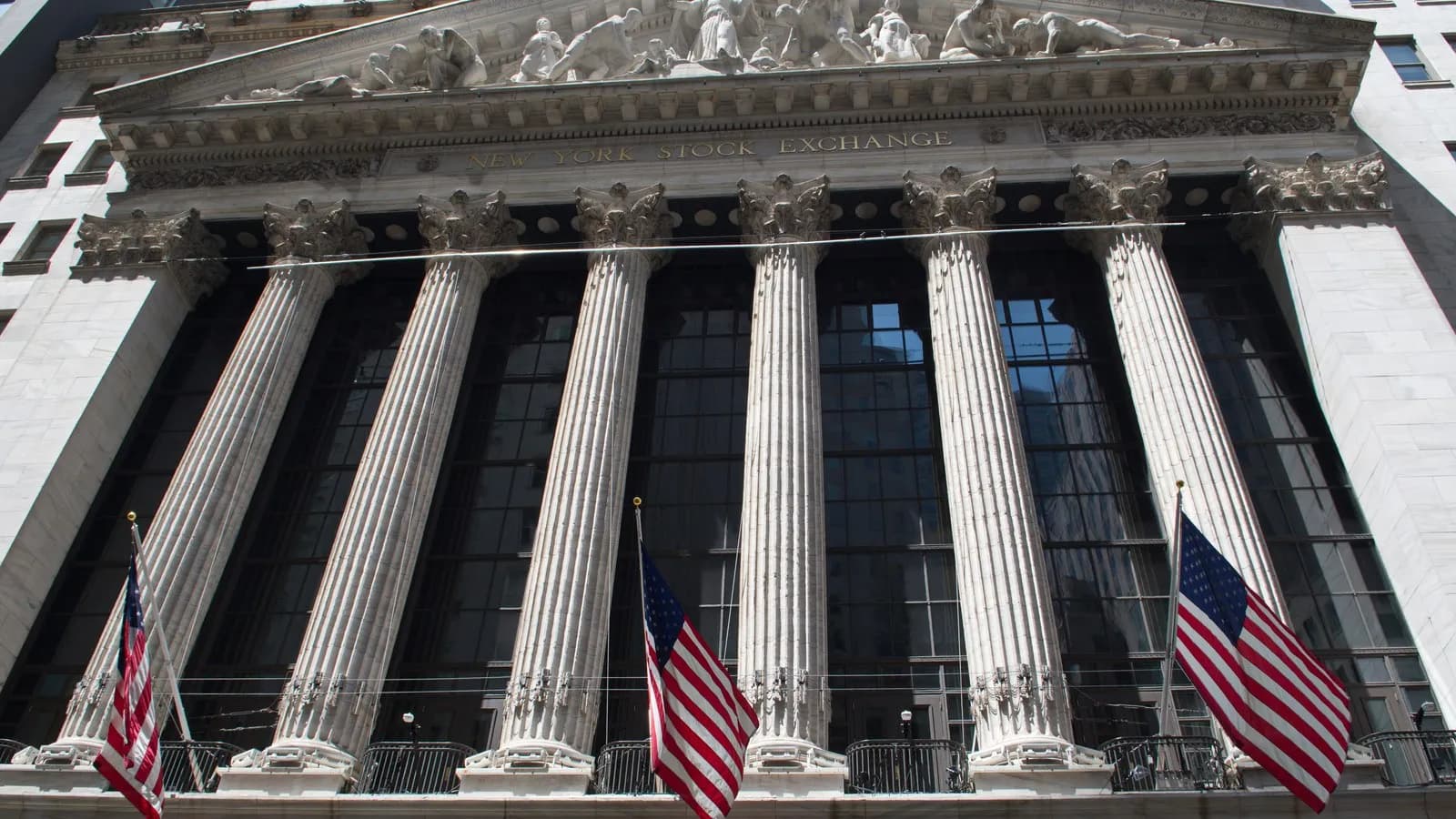
Three sessions of losses on Wall Street rarely make news on their own. These three do, because of what is driving them. On Wednesday the Dow Jones Industrial Average fell 405 points, or 0.77 per cent, to 52,380.66; the S&P 500 lost 0.48 per cent to 7,636.36 and the Nasdaq 0.64 per cent to 26,253.34, according to CNBC. Brent crude closed at 101.08 dollars. And the yield on the ten-year Treasury note rose to 4.857 per cent, a level not seen since November 2023.
The Fed, next week
Until this month the argument at the Federal Reserve was between holding rates and cutting them. That argument is over. Fed funds futures, as read through CME's FedWatch tool, were pricing a 59 per cent probability on Wednesday that the central bank raises its policy rate by a quarter of a percentage point at the meeting that ends on 16 September. A week ago a rise was a minority view; a month ago it was a fringe one, as our report on the September odds recorded.
What changed is oil. A barrel above a hundred dollars feeds into American petrol prices within a fortnight and into the inflation figures within a month, and it arrives at a moment when inflation was already well above the two per cent target and the fiscal deficit had just posted its largest July since 2021. A central bank that would normally look through a supply shock cannot easily do so when the bond market already doubts its resolve. The two-year yield, the cleanest read on where the market thinks policy is going, closed at 4.39 per cent on 8 September against 4.17 two weeks earlier, and the ten-year at 4.80 on the Fed's own series before Wednesday's move higher.
The buyback
The other piece of Wednesday's news came from the Treasury, which said it would triple its buyback operations in longer-dated government debt to six billion dollars. Buybacks are a liquidity tool: the Treasury purchases old, thinly traded bonds and funds the purchase by issuing new ones, keeping the market for its debt orderly. Tripling them at a moment when long yields are near twenty-year highs reads as an attempt to support a market that has been selling off, and the market took it that way, with yields rising rather than falling on the announcement. The programme and the forty-trillion-dollar debt behind it were the subject of our August report.
What it means here
Gulf currencies are pegged to the dollar and Gulf central banks move with the Fed. A quarter-point rise in Washington on 16 September would be matched in Abu Dhabi, Riyadh, Doha and Manama the same evening, and would reach variable-rate mortgages and corporate loans within the month. For an economy already absorbing reduced airline schedules, a restricted zone at its main shipping lane and a property market that its largest developer expects to adjust by five to ten per cent, covered in our report on Alabbar's remarks, dearer money is one more weight.
The reading of the week is simple. Oil is doing the Fed's work in the wrong direction. If Brent holds above a hundred through Monday, the hike is the base case; if the Gulf quietens and the price falls back into the nineties, the committee has room to wait. The people who will decide American interest rates next week are, for the moment, the ones firing missiles across the Gulf of Oman, and neither the Fed nor the market can do much about that except watch. The tanker strikes and the Jordan attack that pushed the price over the line are in today's report from the Gulf.
Published in The Outspoken Digest
Editorial desk
Outspoken Digest Markets DeskReports for The Outspoken Digest across Crypto, Business.
Newsletter
The Digest, in your inbox
One edition, sent when it is ready. No noise, and your address is never passed on.
Read Next
More Business →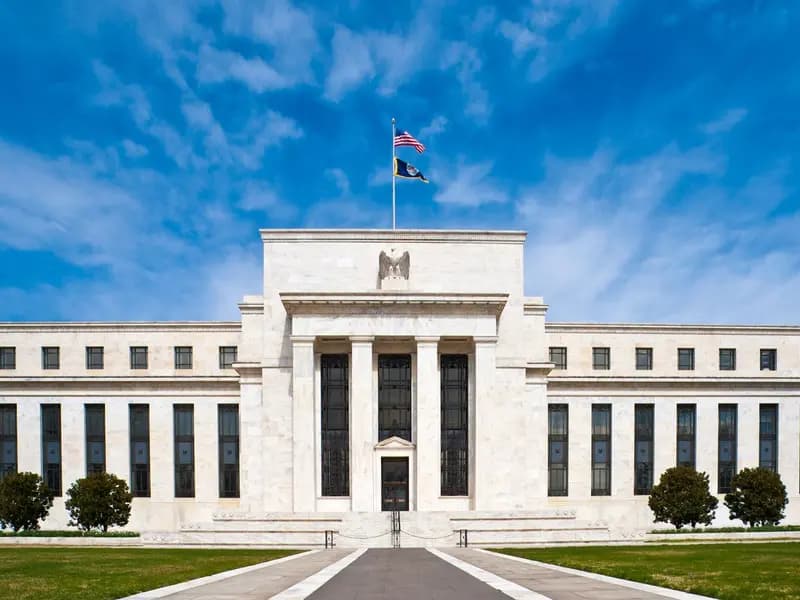
The Fed Raised Rates for the First Time Since 2023. Warsh Said Conditions Were Not Restrictive. The Dow Lost 631
Sep 17, 2026/3 min read

SoftBank Borrowed Another 11.9 Billion Dollars to Keep Funding OpenAI, and Its Shares Fell 13 Per Cent the Same Day
Sep 15, 2026/2 min read
The Ten-Year Touched Five Per Cent, Brent Held Near 107, and Chip Stocks Fell on a Warning From the People Who Sell Them
Sep 15, 2026/3 min read
Petrol Drove a Third of August's Inflation, Core Ran Hot, and the Market Now Treats Wednesday's Rate Rise as Done
Sep 12, 2026/4 min read