NASA Ends the Swift Mission After Nearly 22 Years as Its Orbit Decays and Re-Entry Looms
Swift saw over 2,000 gamma-ray bursts and fed some 7,000 papers; drag from a more active Sun pulled it down to 275 km, where its telescopes could no longer hold steady, and NASA stopped science.
Sunday, October 25, 2026/2 min read

One of astronomy's fastest responders has gone quiet. NASA announced on Friday that the Neil Gehrels Swift Observatory has ended science operations, its last observation made on 20 October, after atmospheric drag pulled the spacecraft down to 171 miles (275 kilometres), NASA Science reported. At that height the telescopes cannot steadily track a target, and the observatory is expected to re-enter the atmosphere in the next few weeks. NASA has not given a date.
Built for a two-year mission, Swift worked for nearly 22. What it leaves behind is one of the richest archives in high-energy astrophysics.
Why did NASA end the Swift mission?
Increased solar activity thickened the upper atmosphere and raised drag on the spacecraft, which began losing altitude quickly, according to a NASA blog post. A high-risk, fast-turnaround servicing mission ended in August without trying to raise the orbit. Swift resumed observations in late August and studied hundreds of targets, from supernova remnants to active black holes and comets, but that work added drag, and it sank again.
On 20 October it could no longer compensate and entered safe mode. The operations team at Penn State then sent a command that effectively ended operations and prepared it for re-entry. NASA's pages say nothing about risk to people on the ground, and we are not going to speculate.
What did Swift discover?
The numbers are large. Swift observed more than 2,000 gamma-ray bursts and studied more than 1,400 supernova explosions, and its data contributed to about 7,000 published papers. The public archive holds nearly 22 years of brightness measurements, more than 1.5 million images from its ultraviolet and optical telescope, and about 12 terabytes of data.
Its design was the point. Swift could schedule up to 75 independent targets a day and swing its telescopes to a new burst in about a minute, which let astronomers catch afterglows that fade before big telescopes can point. In May 2005, it caught the afterglow of GRB 050509B, a burst that lasted 0.03 seconds. It detected 11 X-ray photons from it, the first short burst with a detected afterglow, supporting the idea that short bursts come from merging neutron stars. Swift also watched black holes tear stars apart.
Who built it and what replaces it?
S. Bradley Cenko of NASA Goddard is the principal investigator, and John Nousek of Penn State directed operations. The mission was renamed in 2018 for its first principal investigator, Neil Gehrels, after his death. Shawn Domagal-Goldman, director of NASA's Astrophysics Division, said Swift "delivered an incredible, lasting return on investment for the nation."
The loss leaves a gap in rapid response. NASA said it is exploring ways to cover it, including existing space telescopes and fast-to-orbit commercial capabilities.
Swift's re-entry will be the last chapter. After that, its archive is what remains, and astronomers expect to be mining it for years.
Published in The Outspoken Digest
Editorial desk
Outspoken Digest Science DeskReports for The Outspoken Digest across Technology, Latest Trends, Health.
Newsletter
The Digest, in your inbox
One edition, sent when it is ready. No noise, and your address is never passed on.
Read Next
More Technology →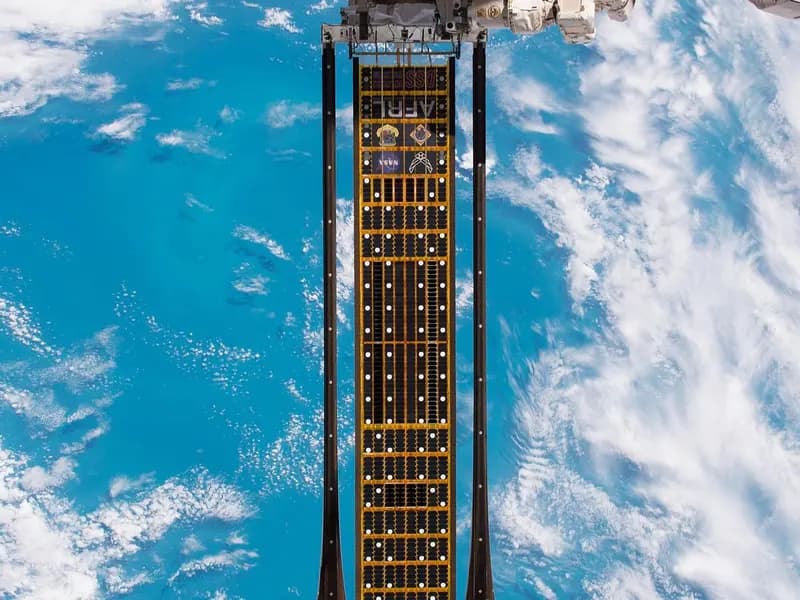
Astronauts Install the Space Station's Eighth and Final Roll-Out Solar Array in a 7-Hour Spacewalk
Nov 6, 2026/2 min read
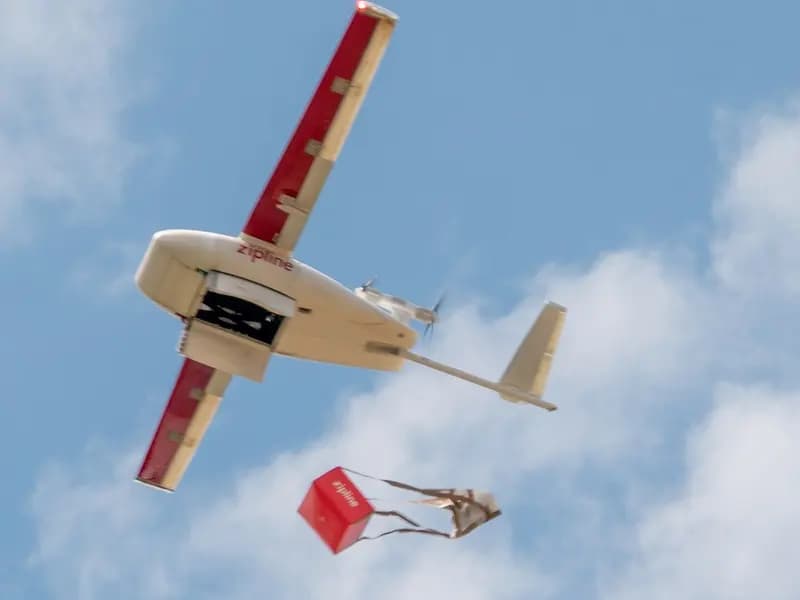
Zipline Raises $1.5 Billion at a $21.5 Billion Valuation as Walmart Commits to 300 More Drone Delivery Sites
Nov 6, 2026/2 min read
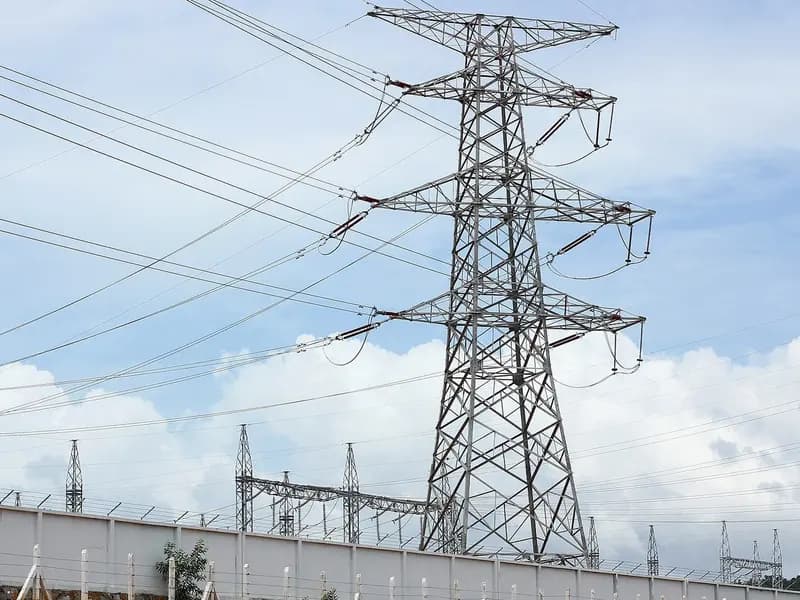
After the Ballot Rebuke, OpenAI Promises to Pay Full Power Costs and Drop NDAs, and Meta Admits Building Will Get Harder
Nov 6, 2026/2 min read
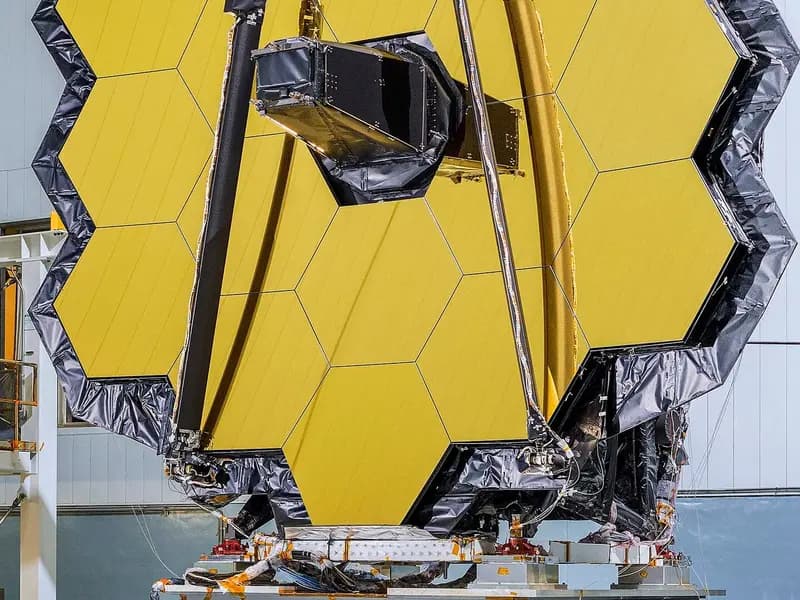
A Digital Twin of the Webb Telescope Pulls a Hidden Planet Out of Old Data and Makes JWST Up to 15 Times Sharper
Nov 5, 2026/3 min read