Diving
The Mammalian Dive Reflex: A Human Body on One Breath
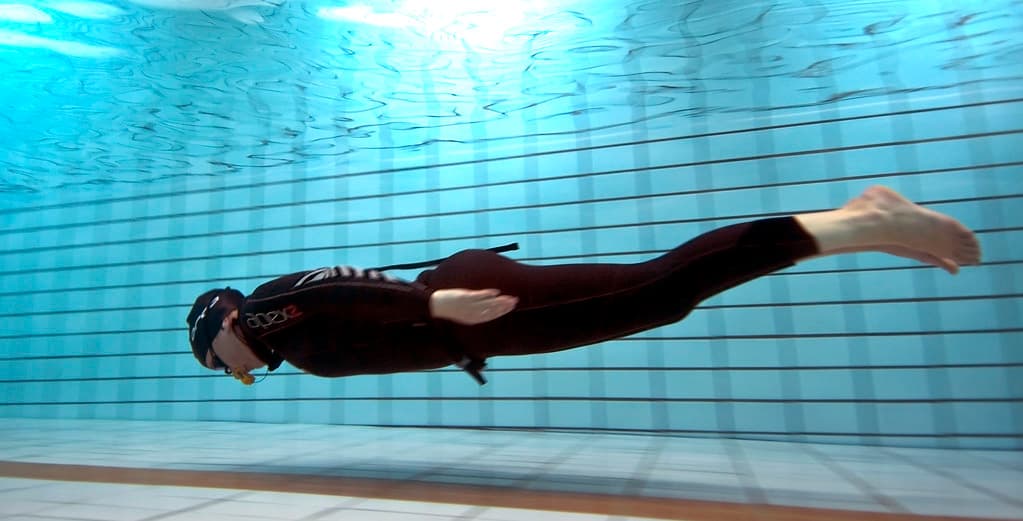
Submersion triggers an ancient reflex that slows the heart, redirects blood, and quietly reshapes what a trained freediver's body can survive underwater.
Sep 18, 2024
Search
8 stories for“freediving physiology”
Submersion triggers an ancient reflex that slows the heart, redirects blood, and quietly reshapes what a trained freediver's body can survive underwater.
Sep 18, 2024
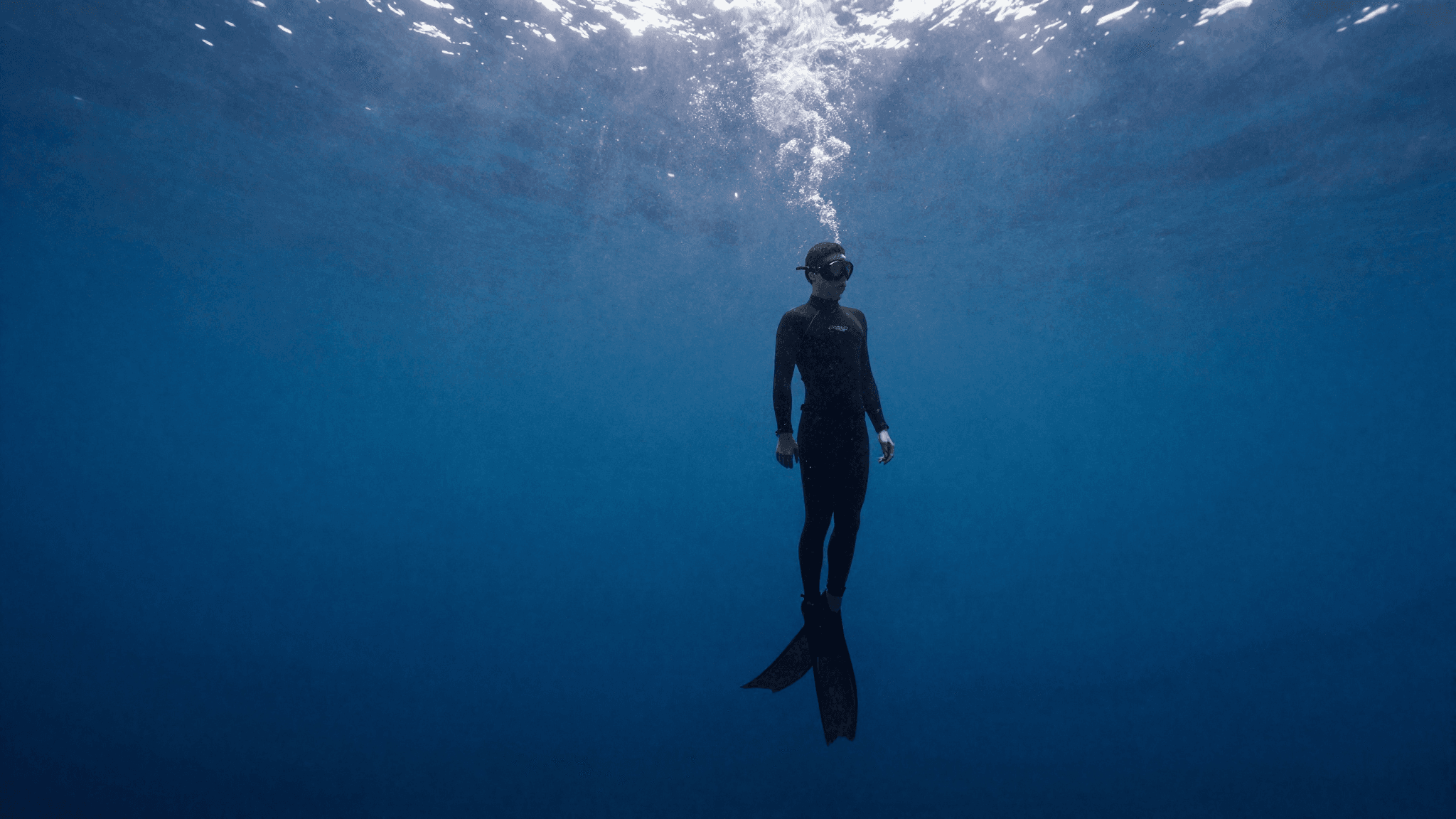
Shallow water blackout does not warn its victim first. Here is the physiology behind it, why it strikes trained divers, and why solo breath hold diving is never safe.
Jun 10, 2024
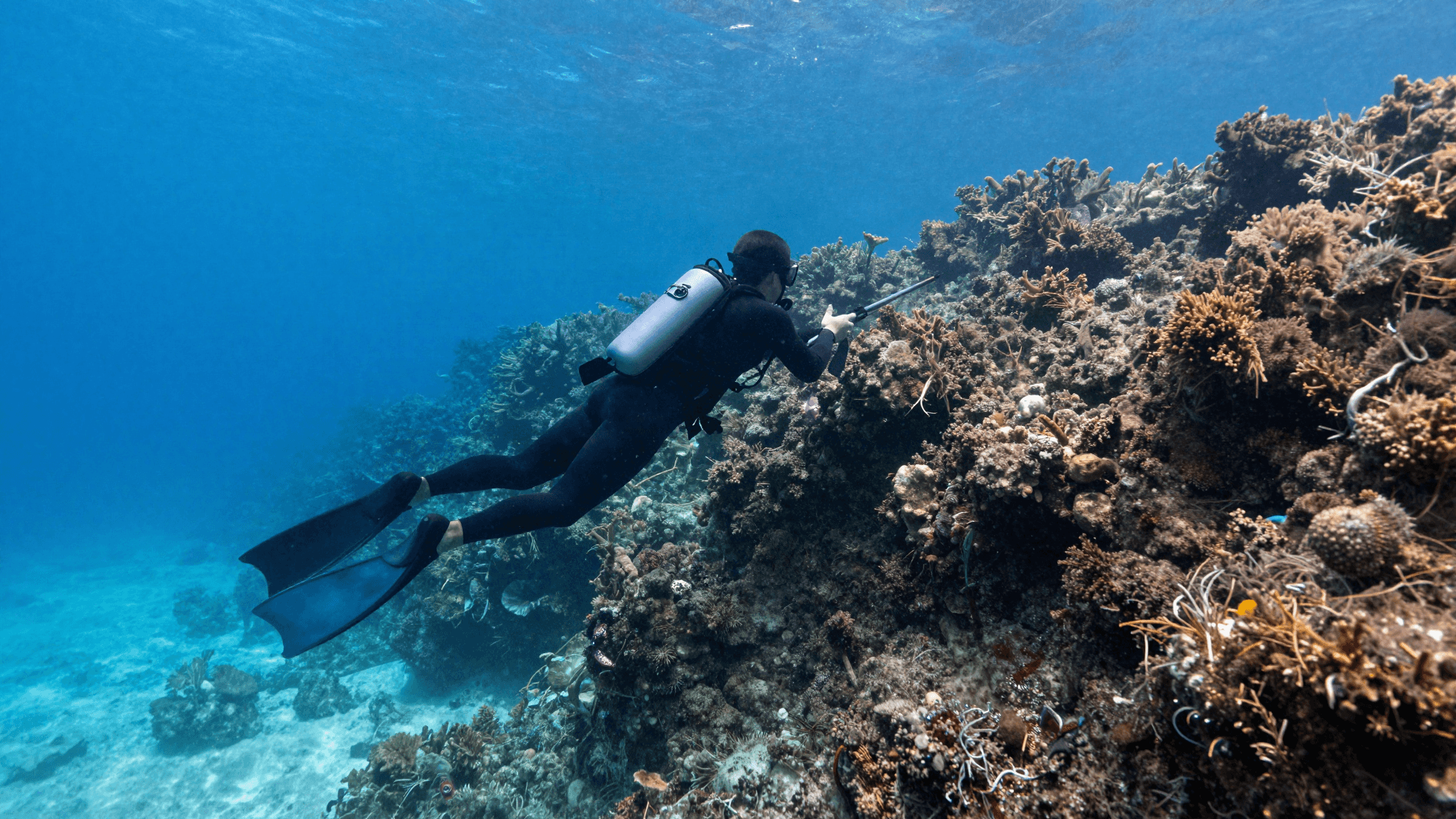
Spearfishing shares its breath hold physiology with freediving, but a hunting mindset changes the risk calculation entirely, and blackout remains the top cause of death.
Apr 8, 2026
The records look impossible until you learn what the body does when the face hits cold water. Most of the gain is physiological adaptation and relaxation, not lung size, and one record category is not comparable to the others.
Aug 11, 2026

CO2 tables build genuine breath hold tolerance over weeks. Hyperventilating beforehand does the opposite of what beginners think it does, and it has killed trained divers.
Sep 2, 2025
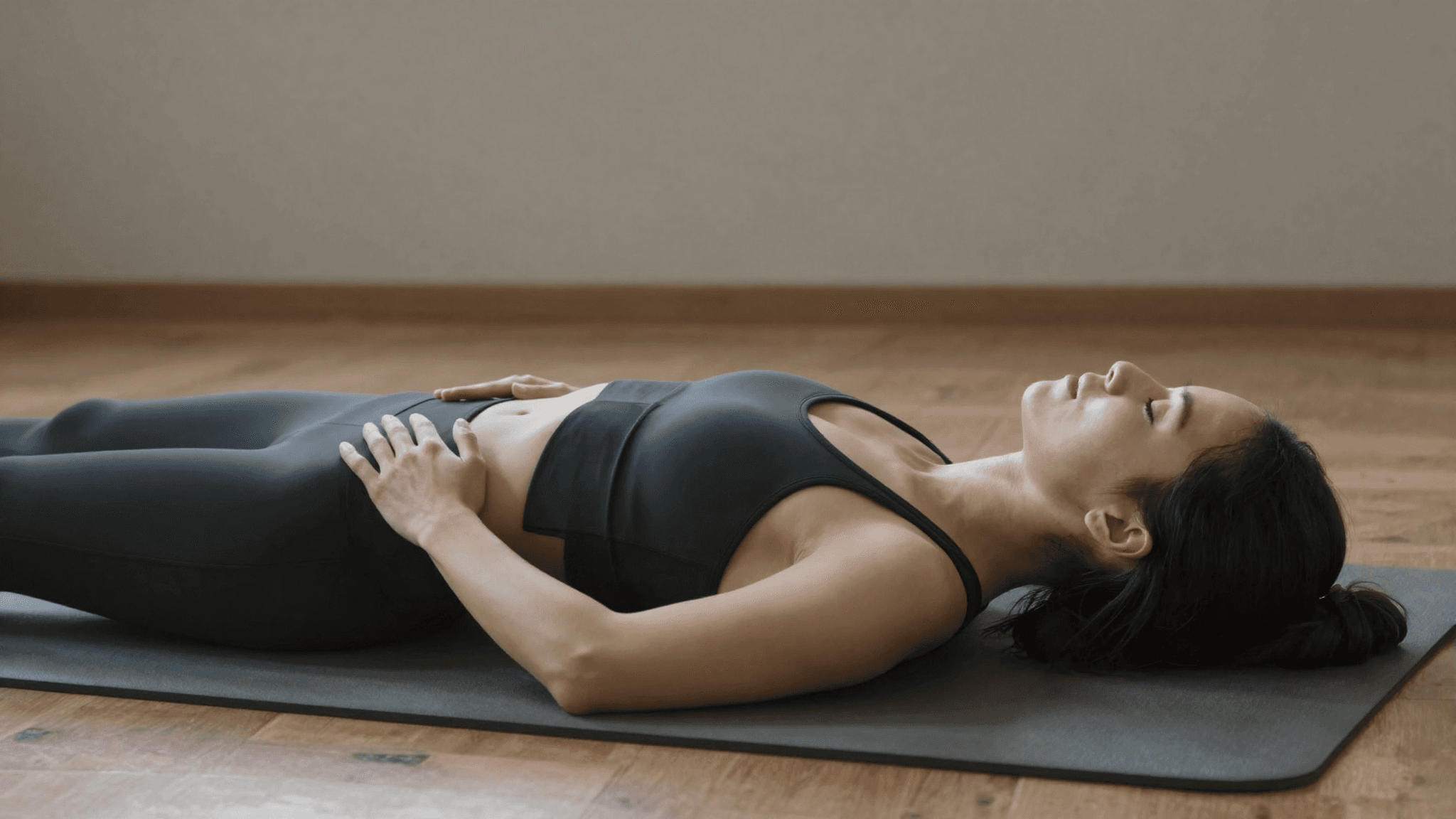
Breathe-up, diaphragmatic breathing and the recovery breath are the three that matter. Hyperventilation is the one that removes your warning that you are about to black out.
Aug 10, 2026
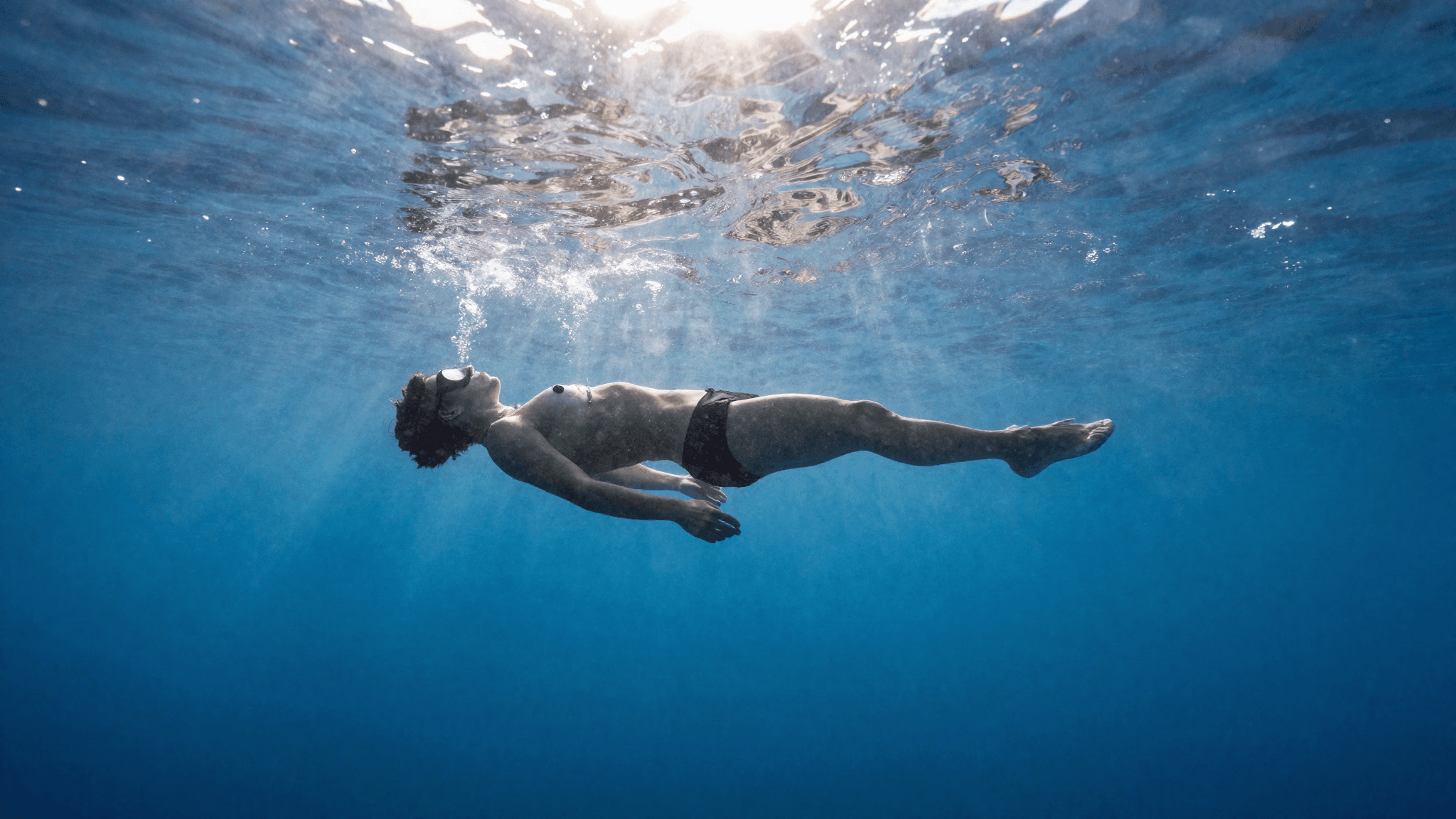
CWT, CNF, FIM, STA, DYN: a plain guide to how competitive freediving is actually judged, discipline by discipline, and why the letters matter more than the depth alone.
Feb 14, 2024
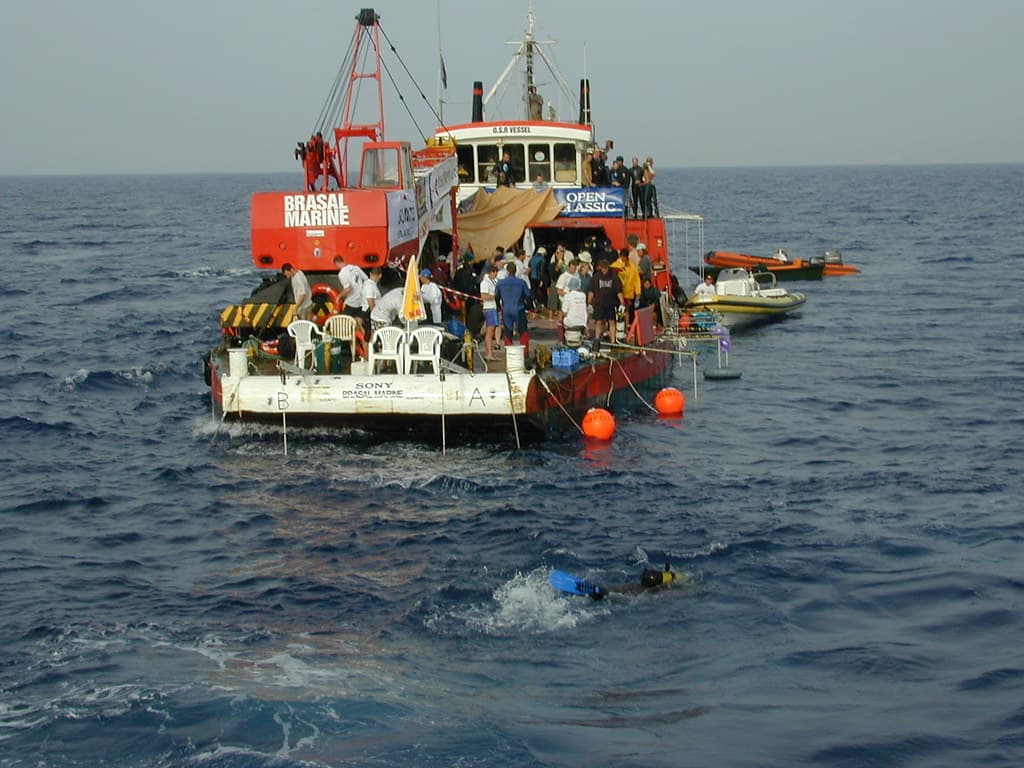
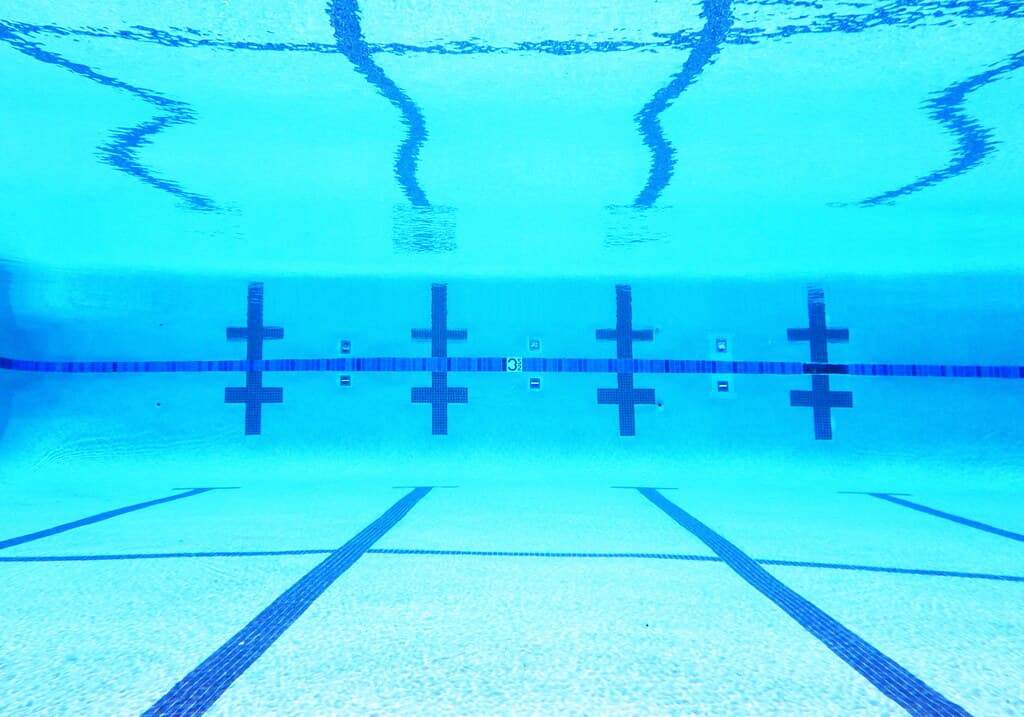
The world's deepest pool holds 14 million litres at a constant 30C, with a sunken city at the bottom. What it removes from diving turns out to be the interesting part.
Aug 6, 2026