Nutrition
Meal Timing and Late-Night Eating: What Circadian Nutrition Research Actually Shows
Chrononutrition research links late eating to worse metabolic outcomes, but the field is younger and messier than headlines suggest.
Sep 25, 2025

Search
29 stories for“energy research”
Chrononutrition research links late eating to worse metabolic outcomes, but the field is younger and messier than headlines suggest.
Sep 25, 2025
A Yale study found semaglutide switches the brain's hunger neurons on rather than off, and that those neurons are required for fat loss to last. Remove them and the mice ate just as little and regained the weight within fifteen days.
Aug 25, 2026

One rigorous NIH trial proved ultra-processed diets cause overeating. A UK parliamentary report says the classification behind it is too blunt.
Jun 2, 2026
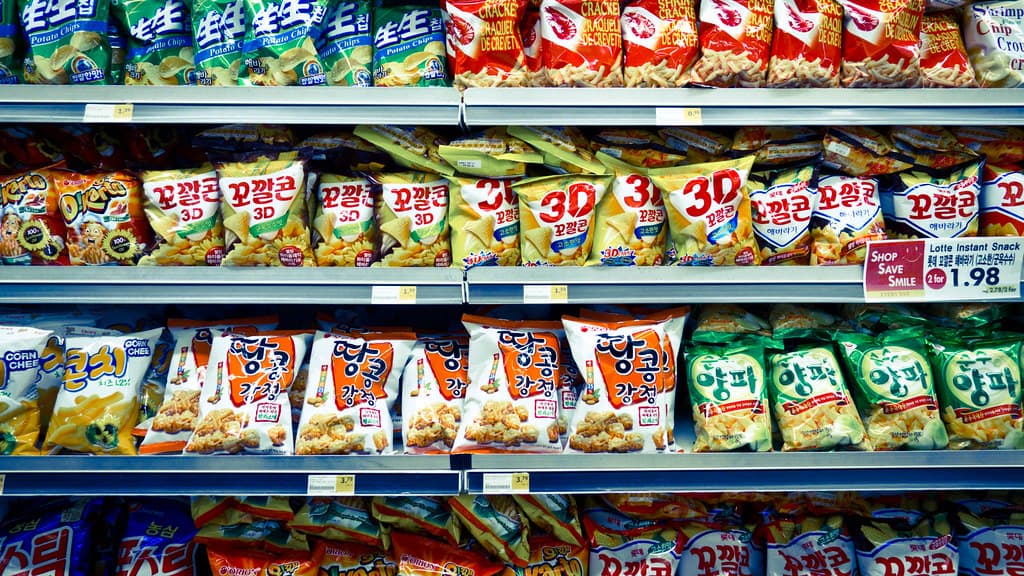
Ordinary spirulina is full of a B12 lookalike the body cannot use, which is why it has never been the answer for anyone avoiding animal food. Adjusting the light it grows under produced 1.64 micrograms of the active form per 100 grams.
Aug 31, 2026

A major Cochrane review of nearly 2,000 people found intermittent fasting barely beats ordinary dieting. Here is what the data really supports.
Mar 10, 2026

Protein-enriched processed foods produced higher satiety hormones and lower calorie intake than normal-protein versions of the same products. It complicates a classification a lot of advice now rests on.
Aug 17, 2026

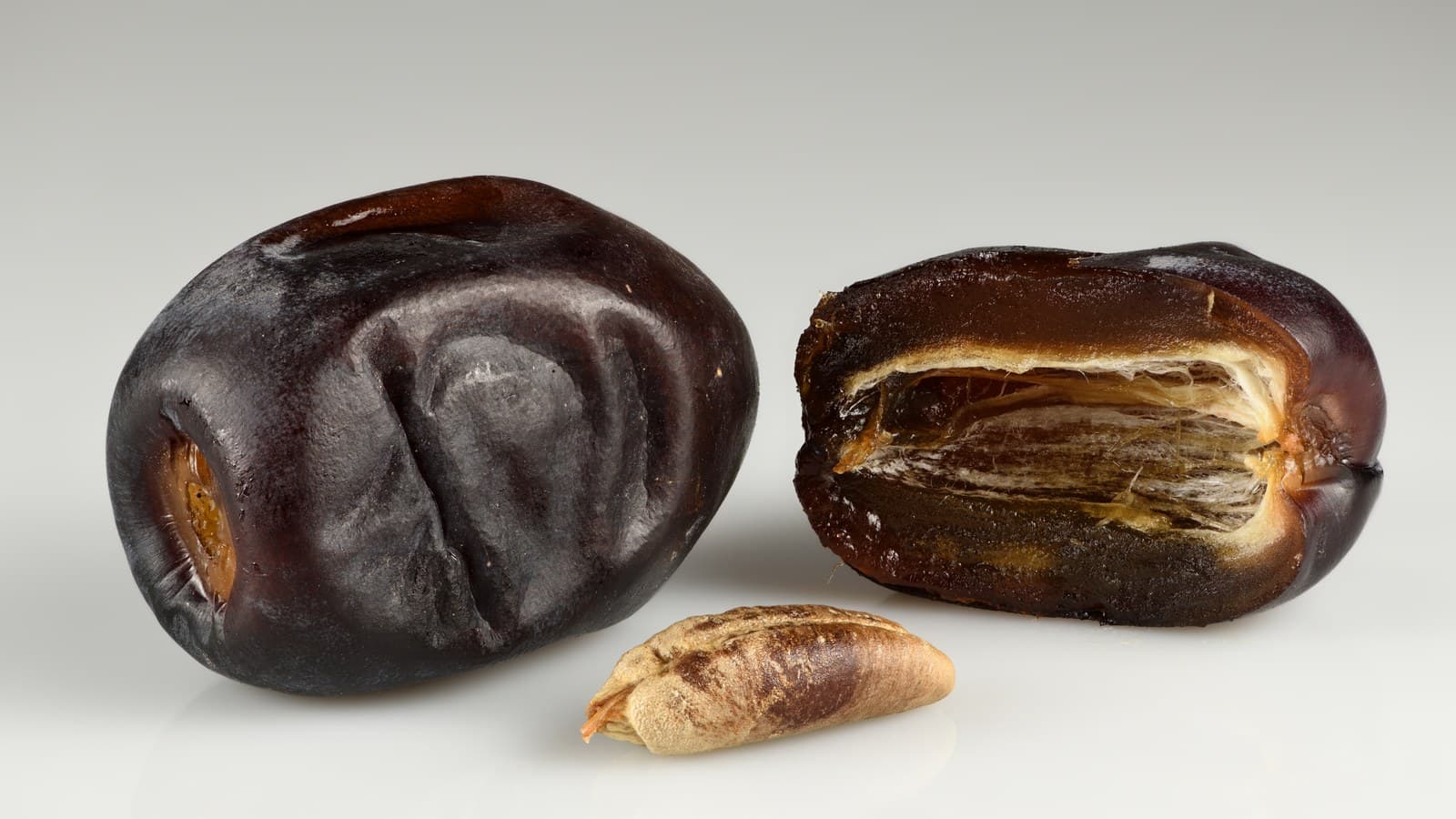
Dates are sweet, so the assumption is that people with diabetes should avoid them. A study of Fara'd, Lulu, Bo ma'an, Dabbas and Khalas found low glycaemic indices and no significant glucose excursions in the diabetic group.
Aug 12, 2026
WHO guidance targets free sugars, not all sugar. The distinction changes how a bowl of cereal or a smoothie should be judged.
Sep 10, 2024