Business
Why the Gulf Economy Held When the Region Didn't
A war that closed the Strait of Hormuz and hit every GCC state should have broken the region's economics. Reserves and diversification kept it standing.
Jul 16, 2026
Search
60 stories for“Gulf region”
A war that closed the Strait of Hormuz and hit every GCC state should have broken the region's economics. Reserves and diversification kept it standing.
Jul 16, 2026
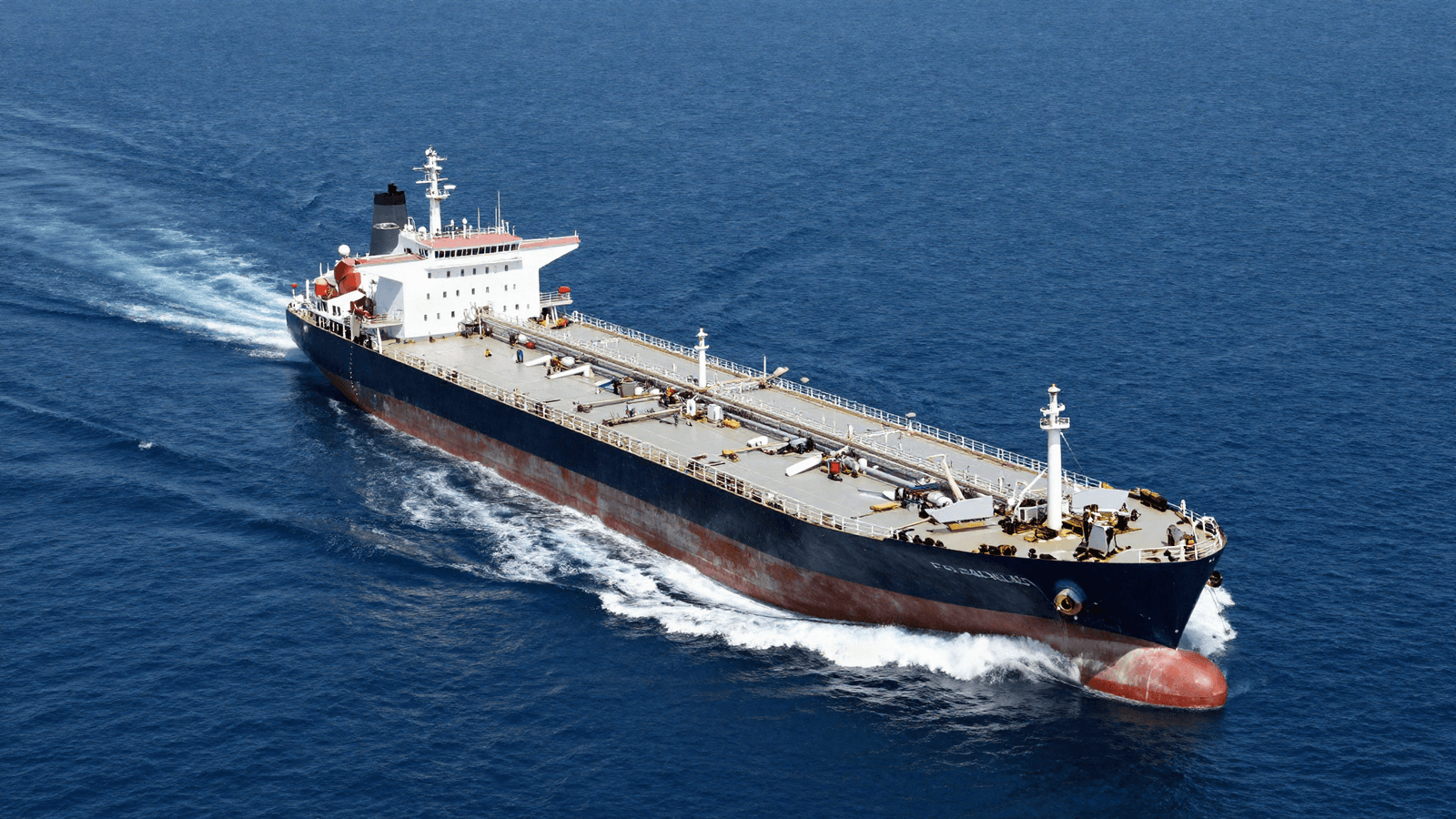
Shipping, insurance and construction costs are all higher because of the Iran conflict. Saudi Arabia and the UAE are pressing ahead with project awards anyway, and the reasoning is deliberate.
Aug 4, 2026

After two years of shocks, Gulf dining is rebuilding around homegrown brands and confident local concepts rather than imported franchise names.
May 19, 2026

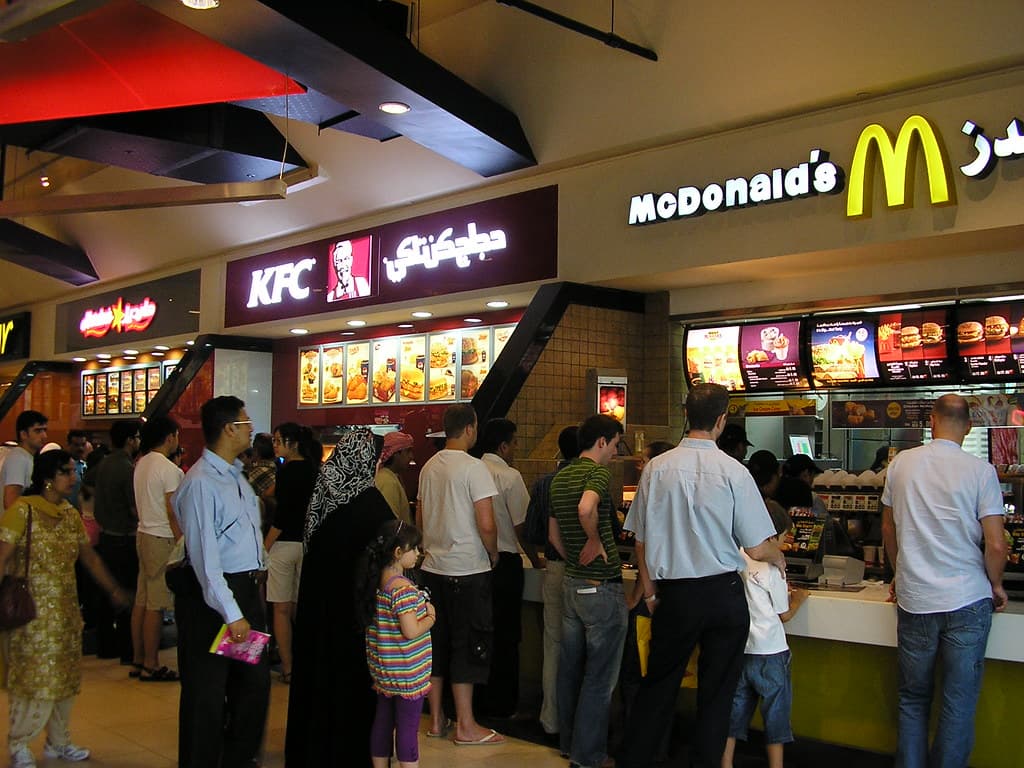
Boycotts, tighter budgets and a longer war are reshaping where GCC consumers eat, and Western fast food chains are the ones feeling it hardest.
Sep 10, 2024
Roughly six trillion dollars of sovereign wealth now sits behind the region's funds. What that money buys, and where it is deployed, matters more to the next ten years than the oil price does.
Aug 8, 2026

Early in the conflict the projections ran to 150 dollar oil and contracting Gulf economies. Halfway through August the numbers are less dramatic and more interesting than either the panic or the relief.
Aug 16, 2026
Riyadh opens at the end of August, Abu Dhabi takes November, Dubai takes the rest. Four shows account for most of the region's commercial calendar between now and the new year.
Aug 14, 2026

Shipping disruption is pushing up the cost of imported produce and packaging, and Gulf restaurateurs are running out of room to absorb it quietly.
Apr 9, 2024

A risk-off session in Dubai and Abu Dhabi shows how conflict, oil, aviation and investor confidence can move Gulf markets in different directions at once.
Jul 24, 2026
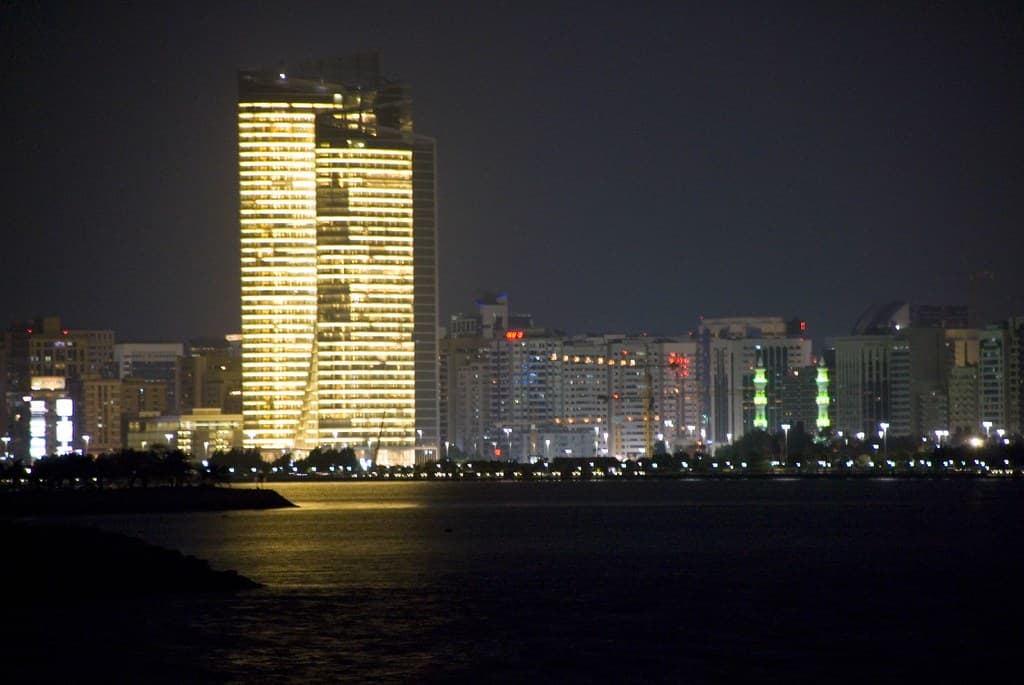
Weaker dividend income, higher operating costs and a bigger tax line pushed the Saudi investment house lower in the first half. Each of those pressures applies well beyond one company.
Aug 7, 2026

Persistent payment delays and rising default concerns are squeezing liquidity across the Emirates, in the same half that produced the region's largest volume of new project awards. Both things are connected.
Aug 17, 2026

Non-oil activity reached 79.4 percent of national output in the first quarter, growing at 4.8 percent while the overall economy grew 3. The gap between those figures is the story.
Aug 6, 2026
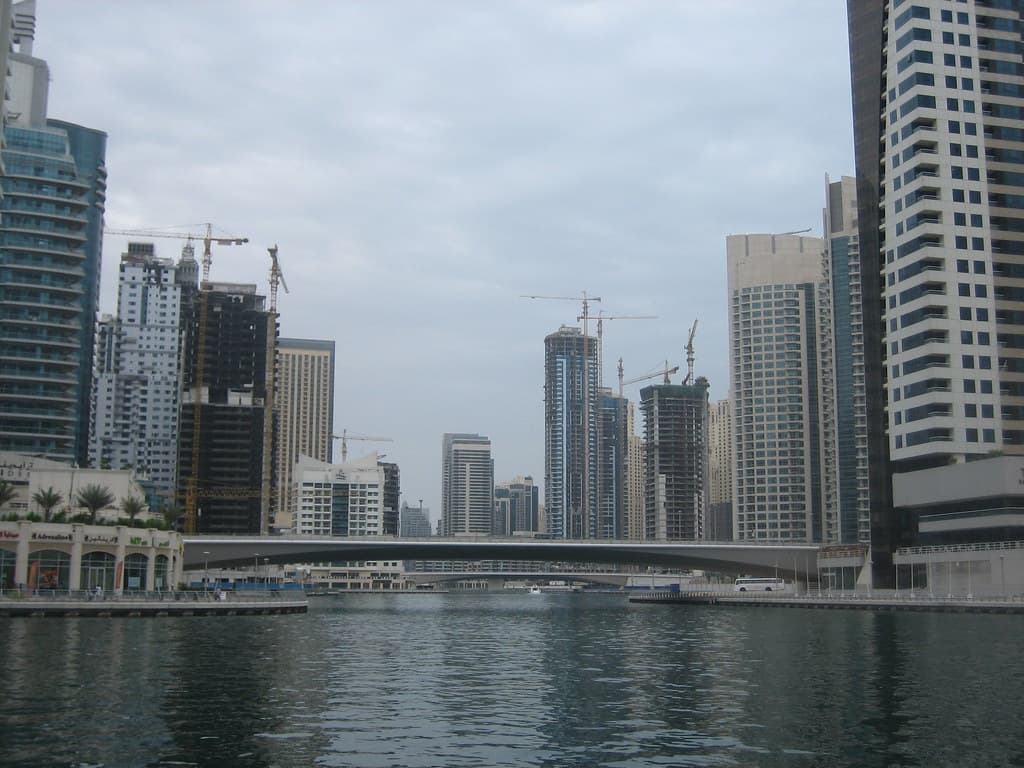
Houthi attacks on shipping have rerouted global trade around Africa, and Gulf importers are absorbing the fallout in freight rates and delivery times.
Feb 5, 2024
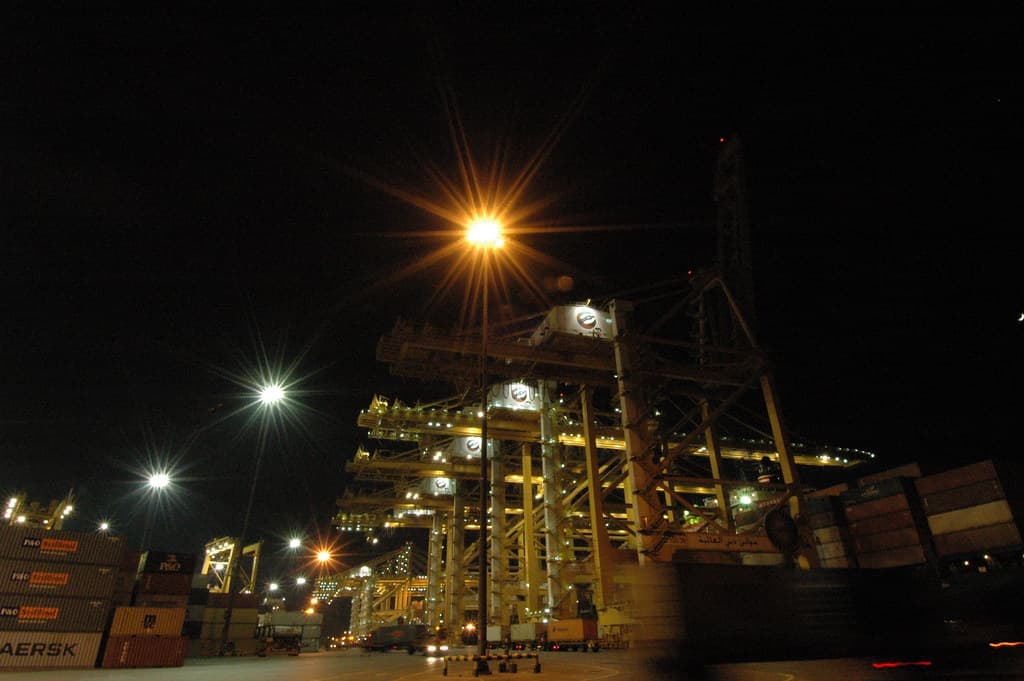
Abu Dhabi's energy week arrives on 2 November with hydrogen and carbon capture across the agenda and hydrocarbons across the balance sheets. Both things are true at once.
Aug 14, 2026

The UAE enters the next period with diversified trade, services and investment buffers. Energy and shipping volatility still make credit quality and project selection important.
Aug 2, 2026

Profit rose 29 percent as Hormuz disruption pushed crude to $108 a barrel in the second quarter. The number says more about the strait than about the company.
Aug 6, 2026
The latest World Entrepreneurs Investment Forum connected women-led enterprise with green, blue, creative and digital industries, producing investment commitments as well as policy language.
Aug 3, 2026

Four years ago Etisalat surprised the market by buying into Vodafone. In July it sold the lot to a French billionaire's family vehicle. The exit says more about European regulation than about telecoms.
Aug 14, 2026

The concluded UK-GCC free-trade agreement could reshape services, procurement and investment, but companies should focus on implementation details rather than celebratory totals.
Aug 3, 2026

Long government borrowing costs are at multi-decade highs across the United States, Germany, France and Japan. The cause is not central bank policy. It is the sheer volume of debt being issued, and some of it is paying for data centres.
Aug 18, 2026