US Forces Completed a 23-Year Presence in Iraq, Pulling the Last Troops From Erbil
The Pentagon said roughly 1,500 American and coalition troops left Erbil Airbase in an orderly departure, closing out Operation Inherent Resolve and a withdrawal deal first struck between Baghdad and the Biden administration in 2024.
Thursday, October 1, 2026/2 min read
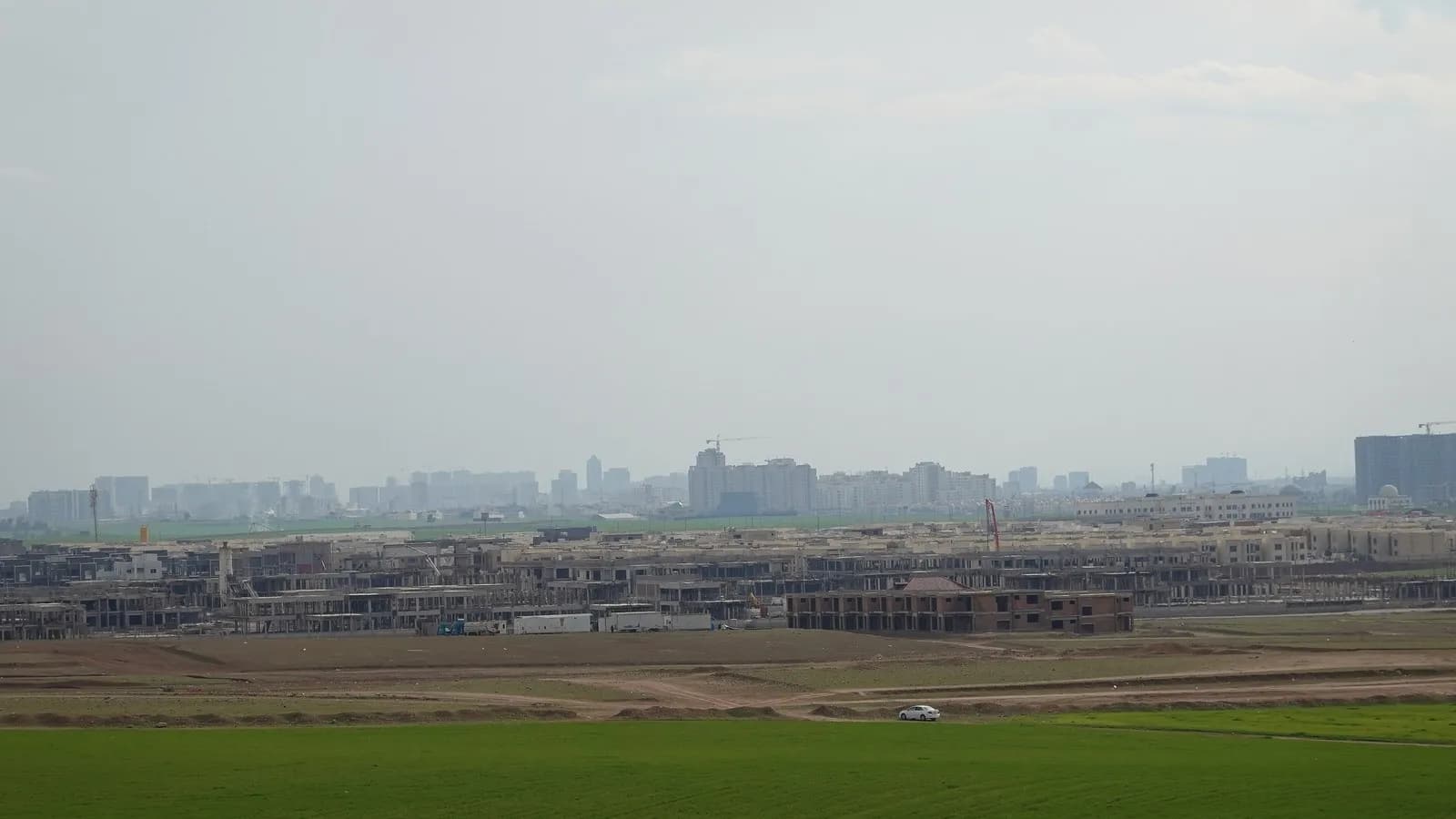
The United States military said on Wednesday that it had completed the withdrawal of all American and coalition troops from Iraq, ending a presence that began with the 2003 invasion and closing out, more specifically, the twelve-year campaign against the Islamic State group. Al Jazeera's report on the departure said roughly 1,500 remaining American and coalition personnel left Erbil Airbase in Iraq's semi-autonomous Kurdistan region in what the Pentagon described as an orderly handover, taking related equipment with them.
A campaign the Pentagon calls finished
Defense Department spokesman Sean Parnell framed the exit as the conclusion of a specific military job rather than the end of the relationship with Baghdad, describing it as "the success of a 12-year campaign that defeated ISIS" and saying responsibility for the country's security "now rests with the Government of Iraq." That framing draws a line under Operation Inherent Resolve, the mission that began in 2014 once Islamic State fighters overran large stretches of Iraqi and Syrian territory, without describing the departure as a wider American disengagement from the region.
A deal years in the making
The timeline traces to 2024, when then President Joe Biden and Iraqi Prime Minister Mohammed Shia al-Sudani agreed a phased withdrawal plan, with the final exit deadline later set for 30 September 2026 and carried through under the Trump administration. PBS NewsHour's coverage of the completed pullout noted the move caps a mission that at its peak, in 2007, involved roughly 170,000 American personnel stationed across the country.
Iraq calls it sovereignty, not abandonment
Iraqi officials have cast the withdrawal as a milestone in reclaiming full control of the country's security after more than two decades of foreign military presence, a framing that sits alongside quieter warnings from analysts and Kurdish officials that the underlying threats which justified the American deployment in the first place, scattered Islamic State cells and Iranian-aligned militia activity, have not disappeared along with the troops. Kurdish officials in particular have voiced concern that the region loses a layer of security it had come to rely on, even as Baghdad presents the handover as proof its own forces are ready to carry the load alone.
What is actually ending, and what is not
The withdrawal closes a specific chapter, the combat mission against Islamic State that brought American boots back onto Iraqi soil after the 2011 pullout, rather than the broader diplomatic and economic relationship between Washington and Baghdad, which officials on both sides say will continue through other channels. Whether Iraqi forces can hold the gains made against residual Islamic State cells without American troops on the ground, and whether Iranian-aligned militias read the exit as an opening, are the two questions that will determine whether Wednesday's departure holds up as a clean ending or proves to be the start of a messier one.
Published in The Outspoken Digest
Editorial desk
Outspoken Digest News DeskReports for The Outspoken Digest across Latest Trends, Sports, Nutrition, Crypto.
Newsletter
The Digest, in your inbox
One edition, sent when it is ready. No noise, and your address is never passed on.
Read Next
More Latest Trends →
An Israeli Strike Killed a Gaza Journalist as the Ceasefire's Death Toll Passed 1,400
Oct 1, 2026/2 min read
The Supreme Court Let Third-Country Deportations Resume in a 6-3 Order, With Arguments Due in December
Oct 1, 2026/2 min read
Iran's Araghchi Met Qatari Mediators in New York, Awaiting Washington's Answer on the Hormuz Plan
Sep 29, 2026/2 min read
Jewish Youths Attacked Two Arab Men Near Jerusalem's Damascus Gate, and Eleven Were Arrested
Sep 29, 2026/2 min read