Travel Insurance: The Exclusions That Actually Bite, and How to Read a Policy in Ten Minutes
Most claims fail on four things: an undeclared medical condition, alcohol, an activity the policy did not cover, and a trip that had already gone wrong when the policy was bought. Each is avoidable if you know to look.
Outspoken Digest Business Desk
Thursday, October 26, 2023/3 min read
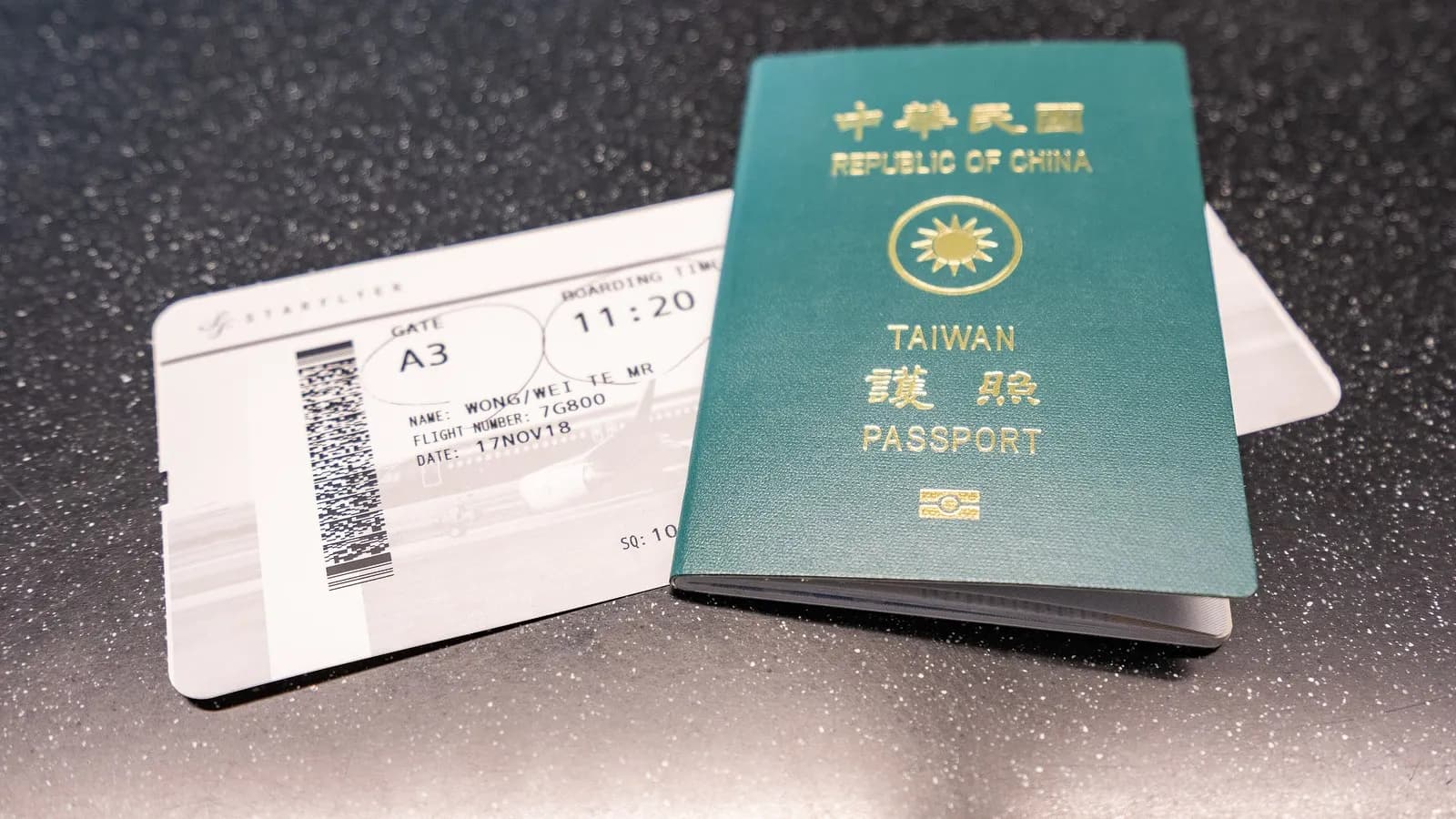
Travel insurance is bought in the last two minutes of a booking flow, from whoever the airline has a deal with, without the policy document being opened. It is then discovered, in a hospital in a country with no reciprocal healthcare, to exclude the thing that happened. The document is long, but the parts that decide claims are short, and the British government's foreign travel insurance guidance is a fair summary of where people go wrong. Here is what to read, and in what order.
The medical limit and the pre-existing conditions
Medical expenses are the reason to buy the policy; everything else is a convenience. The limit should be measured in millions for the United States and hundreds of thousands anywhere else, and it should include repatriation, which is the air ambulance home and is the single most expensive line in travel medicine. Then find the medical declaration. Every policy asks whether you have, or have had, a list of conditions; some ask about the last two years, some about ever. An undeclared condition, even one unrelated to the claim, is the commonest reason a medical claim is refused, because the insurer will argue it would have priced the policy differently. Declare everything, pay the extra premium if there is one, and keep the confirmation.
Alcohol
Nearly every policy excludes claims arising from being under the influence of alcohol or drugs, and the wording is usually broad enough to cover a fall on the way back from dinner. Insurers do apply it; a blood test in the hospital notes is enough. There is no way around this clause except sobriety at the moment things go wrong, and knowing it exists at least removes the surprise.
Activities
Standard policies cover walking, swimming and sunbathing. They often exclude, or cover only with an add-on, scuba diving below a stated depth (commonly 30 metres, sometimes 18), skiing off-piste, motorcycles over a small engine size, quad bikes, anything with the word "trekking" above a stated altitude, and any sport done competitively. Divers should check the depth limit against the dives planned and whether the policy requires a certification; many do. Divers Alert Network sells dive-specific cover for the gap. Hiring a scooter in Bali or a jet ski in Dubai is an activity, and a claim after a crash on one will be tested against the list.
Timing
Cancellation cover starts when you buy the policy, not when you travel. Buy it the day you book, and it covers you if you fall ill before departure; buy it the week before, and anything that had already happened is excluded. Policies also exclude travel against government advice, so check the foreign office page for the destination before booking and again before flying; a country that moves to "advise against all but essential travel" after you bought will usually be covered for cancellation, one that was already there will not.
The rest, quickly
Baggage limits are per item as well as in total, and the per-item figure is often too low for a phone or a camera, which should be on household insurance instead. Our piece on baggage rights under the Montreal Convention covers what the airline owes regardless. Excesses apply per claim and per person. Gadgets, cash and "valuables" have their own low sub-limits. Annual multi-trip policies have a maximum trip length, often 31 days, after which cover simply stops. Card-linked cover usually requires the trip to have been paid for with the card and often excludes the cardholder's family unless named. And the emergency number on the policy is the first call after an ambulance; insurers will refuse to pay for treatment they were not told about when it could have been directed to a hospital they use. Ten minutes with the document, in this order, is the difference between a policy and a receipt.
Published in The Outspoken Digest
Editorial desk
Outspoken Digest Business DeskCompanies, markets and the money moving through the region.
Newsletter
The Digest, in your inbox
One edition, sent when it is ready. No noise, and your address is never passed on.
Read Next
More Travel →
Dubai Had 869,000 Visitors in August, Its Best Month Since the War Began, and Hotels Are Back to Two Thirds Full
Sep 15, 2026/3 min read

Your Airline Owes You About Two Thousand Dollars for a Lost Bag, and Twenty One Days to Say So
Sep 2, 2026/4 min read
A Catamaran Ferry Left Kyrenia at Half Past Twelve and Began Taking On Water Almost Immediately
Aug 31, 2026/4 min read

Eight Point Seven Million Airport Customers Lost Data, and the Field That Matters Is the Number Plate
Aug 30, 2026/4 min read