Sahlab: the Levantine Winter Drink Made From an Orchid Root, and How to Make It Without One
Thick, warm, milky and scented with rose or orange blossom, topped with cinnamon and pistachio. The real thickener is the ground tuber of a wild orchid, now scarce and protected; cornflour does the job and nobody in the café will know.
Tuesday, December 16, 2025/2 min read
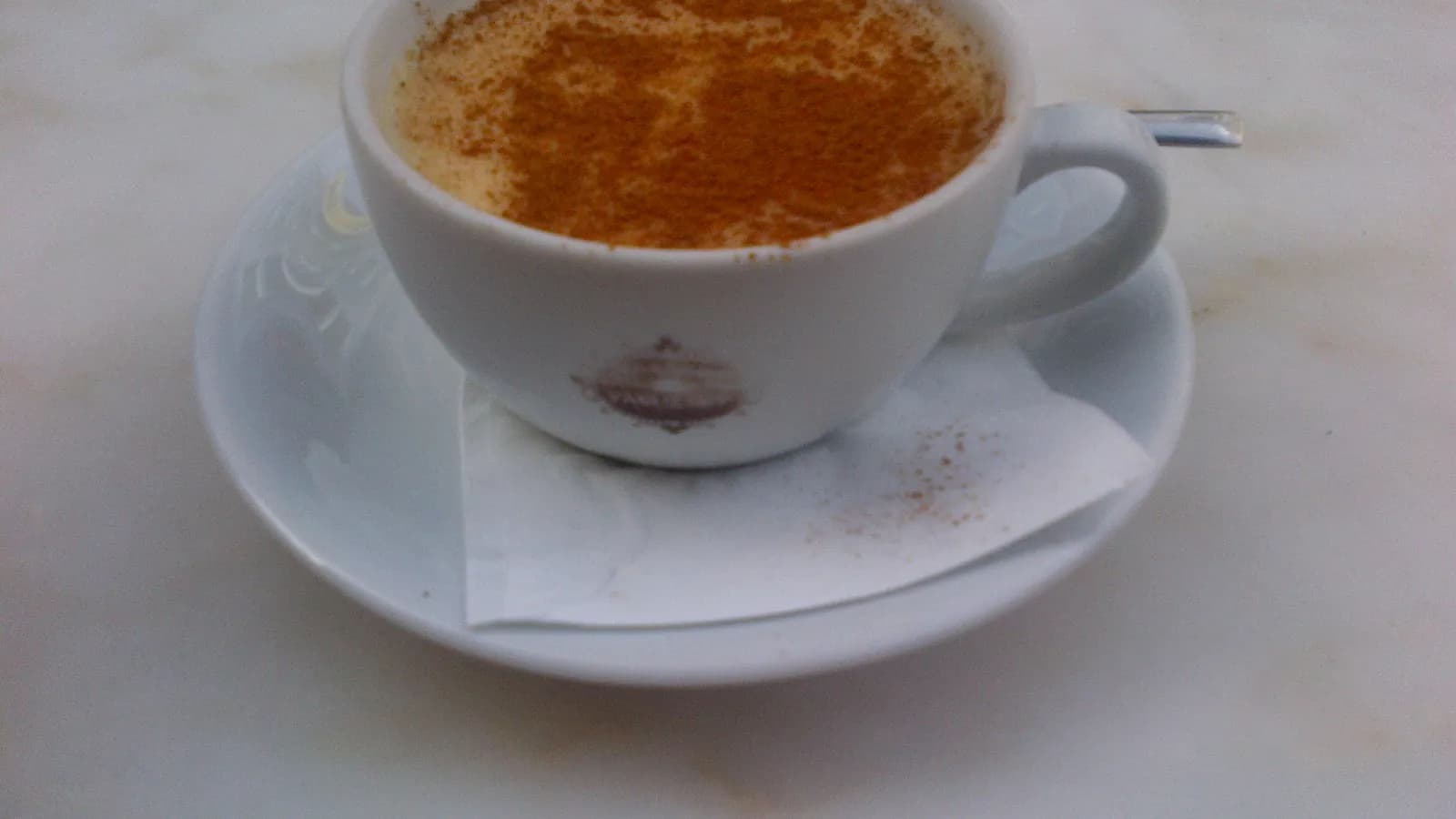
Walk through Istanbul, Beirut or Amman on a cold night and someone will be selling sahlab from a steaming urn: a hot milk drink thick enough to coat a spoon, faintly floral, dusted with cinnamon and scattered with crushed pistachio or coconut. The Turks call it salep and the Ottomans carried it to Europe, where it was drunk in London coffee houses as saloop before coffee and tea displaced it. The thickener that gives it its name and its texture is the dried, ground tuber of wild orchids, Orchis species mostly, harvested by the ton from Anatolian hillsides. That harvest has pushed several species toward extinction, Turkey banned export decades ago, and genuine salep flour is now expensive, rare and, outside the region, often not what the packet says. The good news is that its role is mechanical. A starch does what the orchid did, and the flavour was always in the milk and the perfume.
Ingredients, for four
- 1 litre whole milk
- 3 tablespoons cornflour (or 2 tablespoons genuine salep flour, if you have it and its provenance is honest)
- 3 to 4 tablespoons sugar, to taste
- 1 teaspoon rose water, or orange blossom water, or half of each
- Optional: a strip of mastic the size of a lentil, crushed with a pinch of sugar
- To serve: ground cinnamon, crushed pistachios, desiccated coconut, a few raisins if you like
Method
- Whisk the cornflour and sugar with about 150 ml of the cold milk in a cup until completely smooth. Lumps made now stay forever.
- Heat the rest of the milk in a heavy pan over medium heat until steaming but not boiling.
- Pour the cornflour mixture in slowly, whisking all the time. Keep whisking as the milk comes back to a gentle simmer; it will thicken over two or three minutes to the texture of thin custard. It should pour from a ladle in a ribbon, not plop. If it is too thick, add a splash of milk; too thin, simmer a minute longer.
- Take off the heat. Stir in the rose or orange blossom water and the mastic if using. Taste for sugar.
- Pour into cups or heatproof glasses. Dust generously with cinnamon and top with pistachio and coconut. Drink hot, with a spoon.
Notes
Real salep gives a slightly stretchy, elastic body that cornflour does not quite match; a teaspoon of ground rice added with the cornflour gets closer, and a small amount of mastic adds the resinous note that many remember from childhood cups. Do not boil hard after adding the perfume; the flavour is volatile. Some Lebanese recipes add a spoon of the same mixture, cooled and set, as a pudding, which is muhallabia by another road and which we cover among the region's desserts. If you find salep flour for sale, ask where it came from; most of what is sold as salep in Europe is cornflour with flavouring, which is exactly what this recipe is, so buy the honest version and save the orchids. It is the winter answer to the karak and laban of the rest of the year, and it is ready in a quarter of an hour.
Published in The Outspoken Digest
Editorial desk
Outspoken Digest Food DeskCooking, ingredients, restaurants and the economics of what ends up on the table.
Newsletter
The Digest, in your inbox
One edition, sent when it is ready. No noise, and your address is never passed on.
Read Next
More Recipes →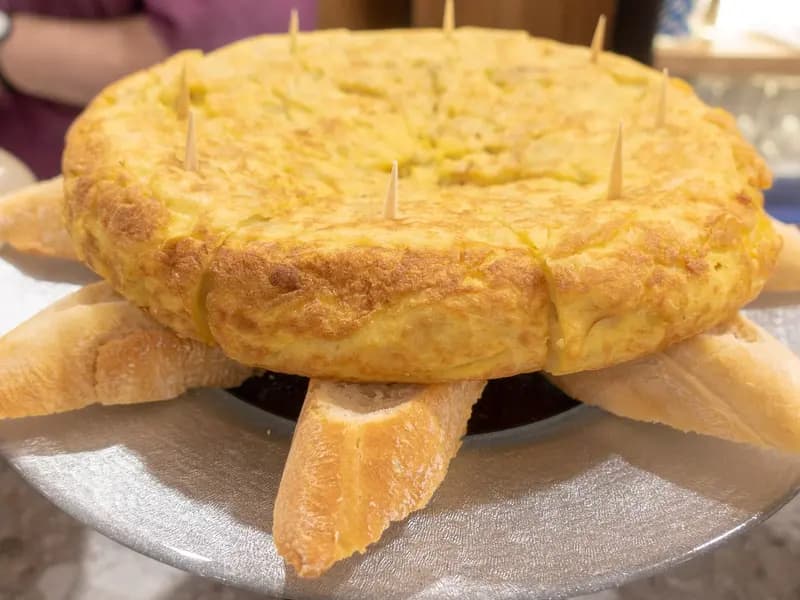
Tortilla Española: Six Eggs, Three Potatoes, a Great Deal of Olive Oil and One Nerve-Testing Flip
Sep 6, 2026/4 min read
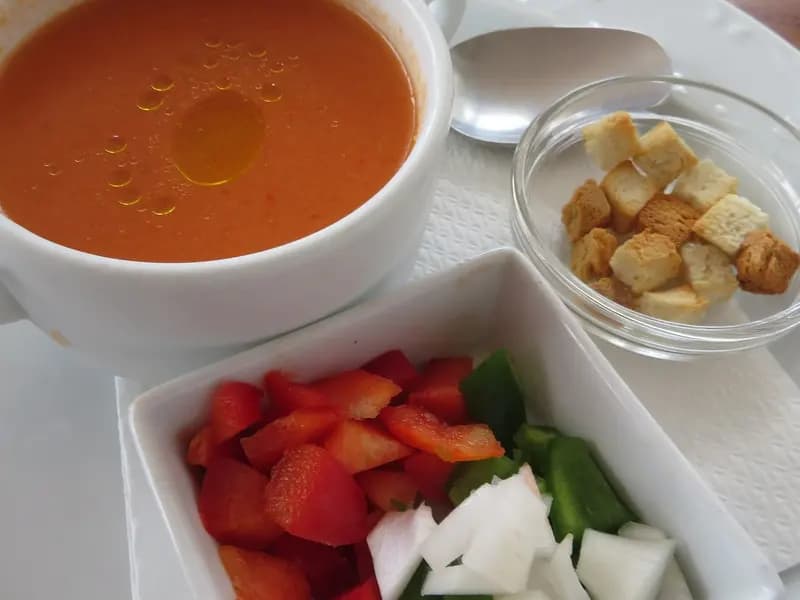
Gazpacho Andaluz: Bread, Oil, Vinegar and Garlic Were the Soup Before the Tomato Arrived, and They Still Are
Sep 6, 2026/3 min read
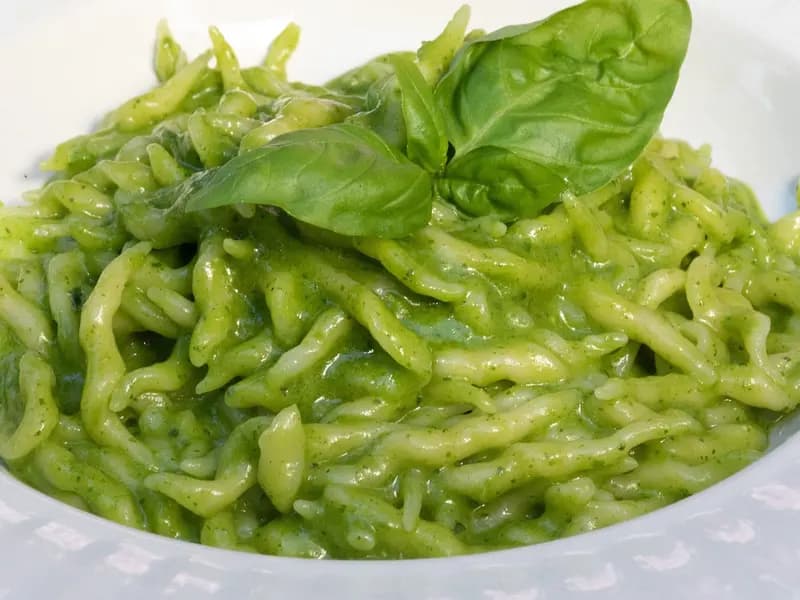
Pesto alla Genovese in a Mortar, With the Trofie, Potatoes and Green Beans It Was Made For
Sep 6, 2026/4 min read
Panzanella Is a Salad Built to Use Up Stale Bread, and the Tomatoes Came Later
Sep 6, 2026/3 min read