A Sea Turtle Species Never Recorded Nesting in the United States Laid Eggs on a Southern California Beach
An olive ridley sea turtle, a tropical species whose nearest known nesting ground is in Baja California, dug a nest near Seal Beach in September, the first confirmed sea turtle nest ever recorded on the US West Coast.
Thursday, October 1, 2026/2 min read
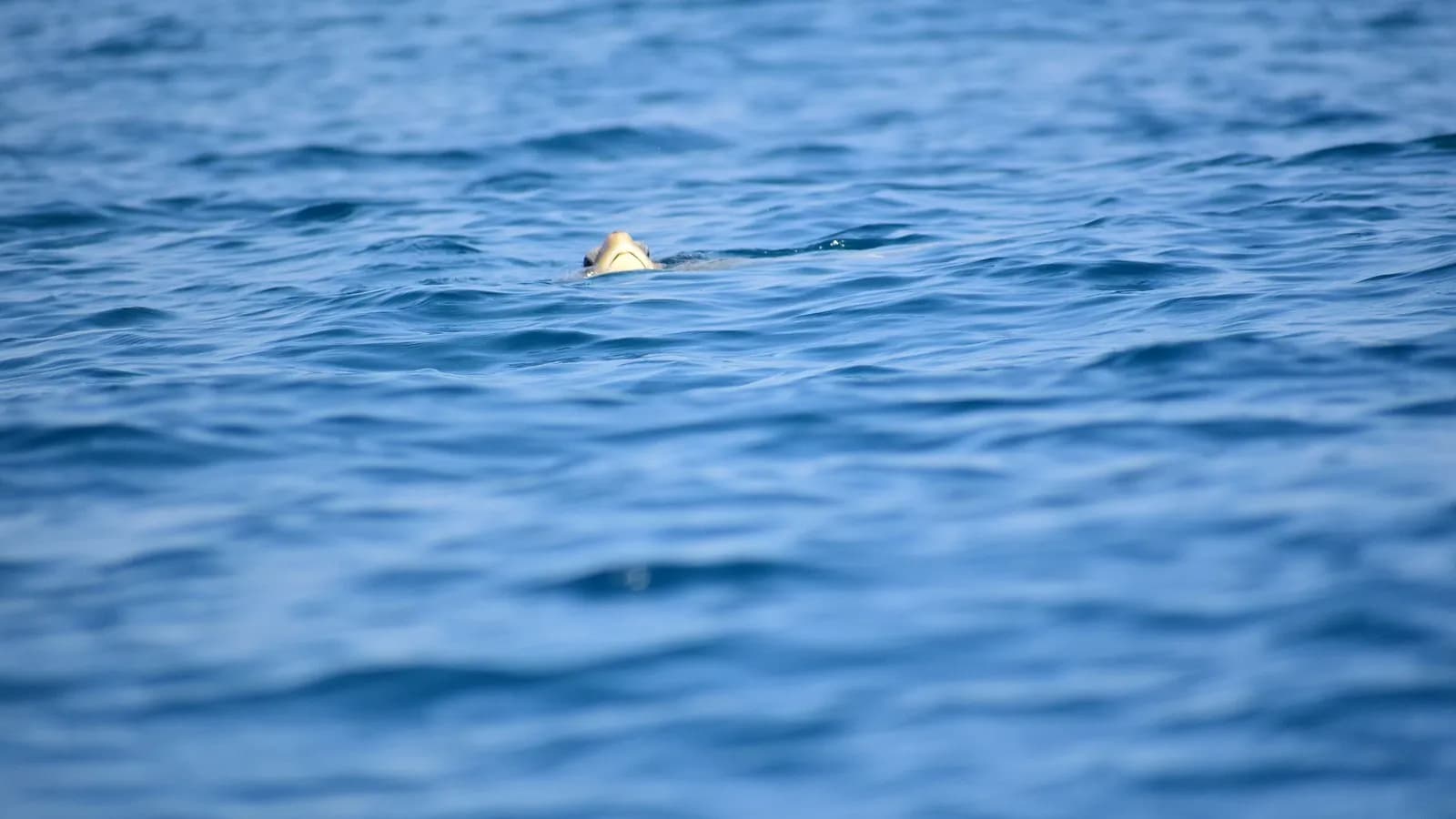
An olive ridley sea turtle came ashore near Seal Beach in Orange County, California, on 16 September and laid a clutch of eggs, in what researchers have confirmed is the first recorded nest of any sea turtle species on the United States West Coast. A report on the discovery said a second female came ashore three days later near the Huntington Beach Pier, about eight miles away, and researchers confirmed from differences in body shape and shell markings that two separate turtles had nested along the coast within days of each other.
A species with no business this far north
Olive ridley sea turtles are a tropical species whose closest known nesting site to California sits in the western Cape region of Baja California, Mexico, near Todos Santos, hundreds of miles to the south, and the species had never previously been documented nesting anywhere in the continental United States. The animals' unexpected arrival in Orange County left local marine biologists scrambling to confirm the species and secure the nests before anything could disturb them.
Protecting the eggs from a storm
With a tropical storm forecast to bring high surf to the Southern California coast shortly after the nests were discovered, researchers transferred the eggs to the Aquarium of the Pacific, where they are being incubated under controlled conditions before the hatchlings are released back onto their original nesting beaches. That intervention reflects standard practice for protecting sea turtle nests that would otherwise be vulnerable to storm surge or erosion, adapted here for a situation nobody working on the coast had encountered before.
Warming water as the likely driver
Researchers have not pinned down a definitive cause, but a separate account of the nesting event pointed to warm sea surface temperatures from an ongoing marine heatwave, combined with the early influence of a developing El Nino pattern expected to peak in 2027, as the most likely explanation for why a tropical species would travel so far beyond its known range to nest. Olive ridleys typically rely on water temperatures within a fairly narrow tropical band to successfully incubate their eggs, which makes the timing of this event, during a period of well documented regional warming, more than coincidental in the eyes of the researchers studying it.
What it means for species ranges
Marine biologists have increasingly documented warm-water species turning up outside their historical ranges as ocean temperatures shift, but a confirmed nesting event, rather than a single stray animal being spotted, marks a more significant threshold, since it suggests conditions were viable enough for a turtle to attempt reproduction rather than simply wander into unfamiliar waters. Whether the pattern repeats in future years will depend heavily on whether the marine heatwave and El Nino conditions driving the current warming persist or fade as ocean cycles shift again.
A story still being written
For now, researchers are treating the nests as a single, striking data point rather than evidence of a permanent range expansion, and the hatchlings' eventual release will be watched closely by the same scientists who intervened to protect the eggs in the first place. If warm-water conditions along the California coast persist into coming nesting seasons, biologists say this unlikely first could turn out to be the start of a genuine shift in where one of the ocean's most recognisable turtle species chooses to lay its eggs.
Published in The Outspoken Digest
Editorial desk
Outspoken Digest Diving DeskCovers freediving, recreational and technical diving, dive medicine and the incidents the sport learns from.
Newsletter
The Digest, in your inbox
One edition, sent when it is ready. No noise, and your address is never passed on.
Read Next
More Diving →
Blacktip Sharks Can Hear a Sound From Nearly 250 Feet Away and Swim Straight Toward or Away From It
Oct 1, 2026/2 min read
Marine Surveyors Confirmed Living Coral Off Benin, More Than Sixty Years After the Reef Was Presumed Dead
Sep 29, 2026/2 min read

Divers Pulled 1,400 Metres of Abandoned Fishing Net Off an Oman Beach After Six Sea Turtles Were Found Dead in It
Sep 27, 2026/3 min read
Scuba Divers Find Two New Sea Spider Species in the Salish Sea, the First Described There in Almost a Century
Sep 26, 2026/2 min read