Olive Oil Grades: What Extra Virgin Proves, What Virgin Admits, and What 'Pure' and 'Light' Are Hiding
The grades are chemical and sensory standards, not marketing tiers. Extra virgin has passed a lab test and a tasting panel. Refined oil has been stripped and deodorised. 'Light' refers to flavour, not calories.
Tuesday, July 25, 2023/3 min read
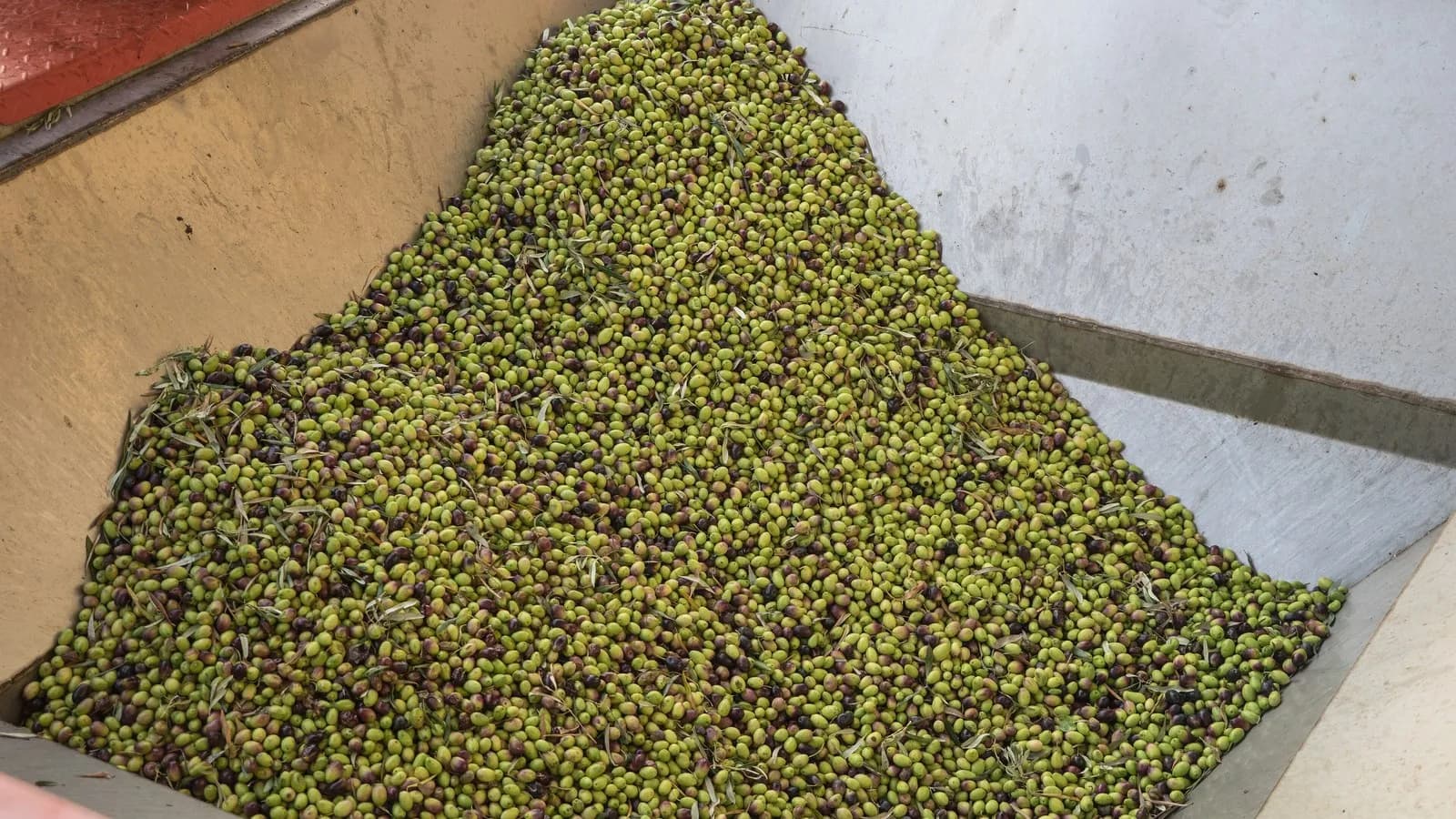
Olive oil is the one cooking fat whose label is governed by an international standard, and almost nobody reads it. The International Olive Council in Madrid sets the grades that the European Union, and most producing countries, write into law. They are not tiers of a marketing scheme. They are pass or fail results on a chemistry panel and a blind tasting, and the words on the bottle tell you which tests the oil passed.
Extra virgin
Oil obtained from the fruit by mechanical means only, no heat above what the paste generates, no solvents, with free acidity below 0.8 per cent and, crucially, zero sensory defects on a trained panel. That second condition is the one that matters. An oil can be low in acidity and still taste of fusty, rancid or muddy fruit; if the panel finds any of those, it is not extra virgin whatever the bottle says. Extra virgin also has to show some positive fruitiness. The bitterness and the peppery catch at the back of the throat are polyphenols, which are the compounds the Mediterranean diet research, which we have covered, is largely about. An extra virgin oil that tastes of nothing is old or poor.
Virgin
The same mechanical process, free acidity up to 2 per cent, and minor sensory defects permitted. Honest, edible, cheaper, and rare on supermarket shelves because producers would rather refine a flawed oil than sell it as second grade. If you see it, it is usually a decent cooking oil at a fair price.
Refined, and the words that hide it
Oil with defects or high acidity is refined: treated with heat, charcoal and chemical processes that remove the acidity, the colour, the smell and almost all the polyphenols, leaving a neutral fat. Refined olive oil cannot legally be sold as such to consumers in the EU, so it is blended with a little virgin oil and labelled "olive oil" or, in some markets, "pure olive oil". "Pure" is technically true and commercially misleading. "Light" or "extra light" olive oil is the same refined blend with a marketing word attached; it has exactly the calories of any other oil, about 120 per tablespoon, and the light refers to flavour. "Olive pomace oil" is extracted from the leftover paste with solvents and then refined; it is the lowest grade sold for food and is what many restaurant fryers run on.
What the label will not tell you
Harvest date is the number that matters and the one least often printed. Olive oil is a fruit juice; it peaks in the months after pressing and declines steadily, faster in light and heat. A best-before date two years out tells you nothing about when the olives were picked. Look for a harvest date, buy from the most recent one, and buy tins or dark glass. "Cold pressed" and "first pressed" are meaningless on modern oil, which is all extracted once, cold, in a centrifuge. "Product of Italy" may mean bottled in Italy from Tunisian and Spanish oil, and the small print of origin will say so. None of that makes the oil bad; it makes the flag on the front decorative.
Cooking with it
The idea that extra virgin cannot be heated is wrong. Its smoke point, around 190 to 210 degrees, is above the temperature of almost all home cooking, and its stability under heat is better than most seed oils because of the same polyphenols that make it bitter. What heat does is destroy the flavour you paid for, so the sensible split is refined olive oil or a cheap extra virgin for the pan and a good one for the table. The European Food Safety Authority's opinions on olive oil polyphenols are the basis of the one health claim allowed on the bottle, about protecting blood lipids from oxidative stress, and that claim only applies to oils with enough polyphenols to taste of them.
Published in The Outspoken Digest
Editorial desk
Outspoken Digest Food DeskCooking, ingredients, restaurants and the economics of what ends up on the table.
Newsletter
The Digest, in your inbox
One edition, sent when it is ready. No noise, and your address is never passed on.
Read Next
More Nutrition →
A Mouse Study Says Sweeteners Left Marks Two Generations On, and It Is Being Read Far Too Confidently
Sep 1, 2026/3 min read

They Changed the Light and the Algae Started Making the Vitamin B12 a Human Can Actually Use
Aug 31, 2026/3 min read
Every One of 212 Plant Based Products Tested in Britain Contained a Fungal Toxin
Aug 30, 2026/4 min read

Wine Drinkers Died Less Often in a 340,000 Person Study, and the Most Likely Explanation Is Dinner
Aug 28, 2026/4 min read