Iron: Haem and Non-Haem, the Cup of Tea That Blocks It, and Who Is Actually Short
Iron deficiency is the most common nutrient shortfall in the world and the most misdiagnosed by people who feel tired. Absorption depends on the form, the meal and the timing more than on the amount, and a blood test settles what a supplement guesses.
Tuesday, February 18, 2025/3 min read
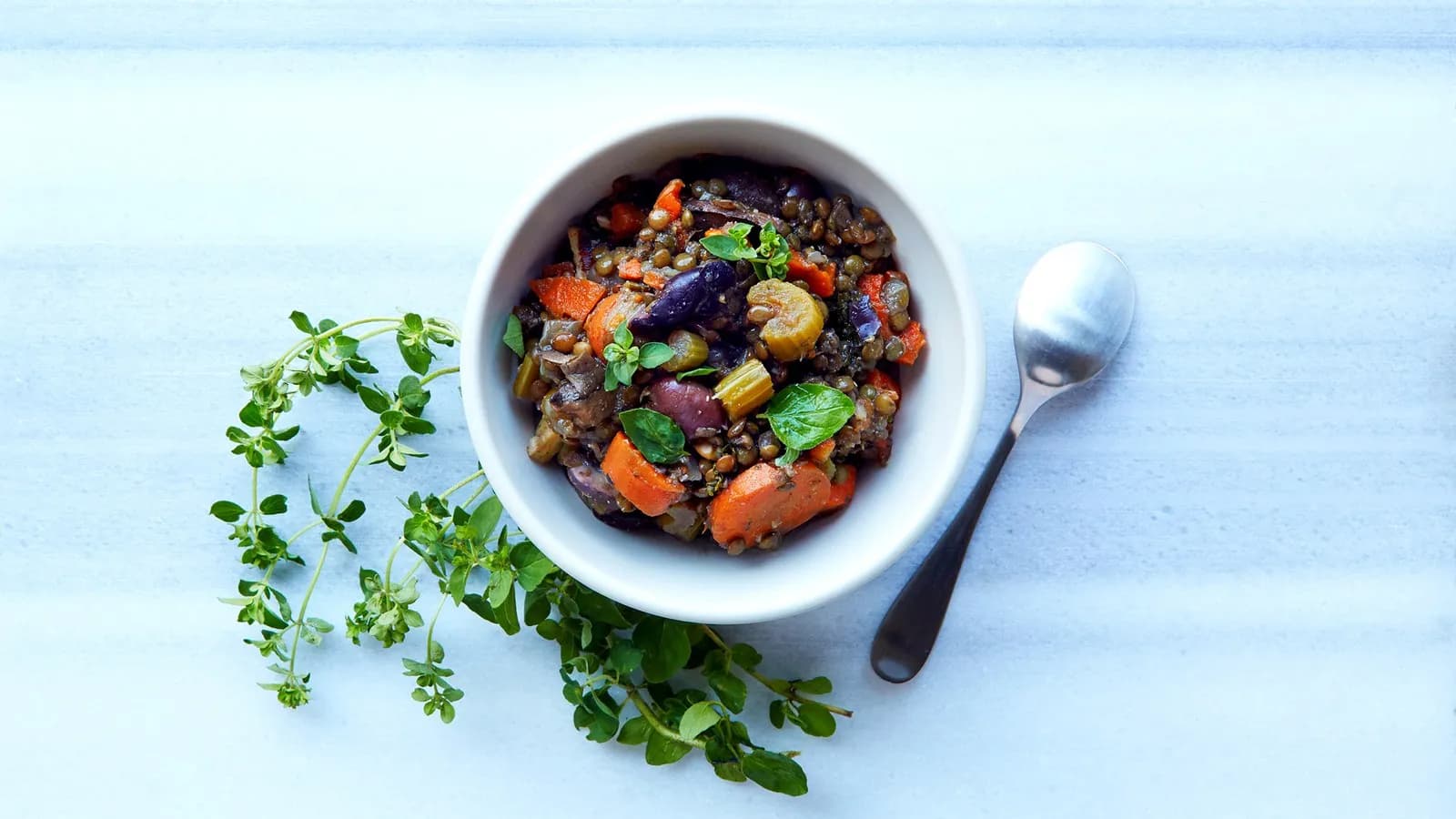
Iron sits at the centre of haemoglobin, the molecule that carries oxygen in the blood, and without enough of it the body makes fewer and smaller red cells and the tissues run short of oxygen. The result is the tiredness, breathlessness on stairs, pale skin, brittle nails and, in some, the odd craving for ice that doctors call pica. It is the most common nutritional deficiency on earth, affecting women of childbearing age and small children far more than anyone else, and it is also the deficiency most often self-diagnosed by people whose tiredness has another cause. The NHS page on iron deficiency anaemia makes the essential point early: get a blood test before taking iron, because iron in excess is harmful and the symptoms are shared with a dozen other things.
Two kinds of iron
Haem iron, from meat, poultry and fish, is bound in a form the gut absorbs efficiently, roughly 15 to 35 per cent of what is eaten, and absorption is barely affected by the rest of the meal. Non-haem iron, from plants, eggs, fortified cereals and supplements, is absorbed at 2 to 20 per cent, and that range is set by what is eaten with it. This is why vegetarians and vegans need more dietary iron than meat-eaters to arrive at the same absorbed amount, and why the NHS guidance on iron lists both the amounts and the foods.
What blocks it and what helps
Tea and coffee are the big ones. The polyphenols in a cup of tea drunk with a meal can cut non-haem iron absorption by half or more; coffee by less but still substantially. The fix is not to give them up but to move them an hour away from meals. Calcium, in dairy or supplements, inhibits both forms of iron when taken at the same time. Phytates in whole grains and pulses bind iron, which is one reason the bran-heavy healthy diet can be lower in usable iron than it appears; soaking, sprouting and fermenting, as in sourdough, reduce phytates. On the other side, vitamin C is the strongest enhancer: 50 mg or so, the amount in half an orange or a handful of peppers, eaten with a plant-iron meal can double or triple absorption. Meat eaten with plant iron helps the plant iron too. Cooking in cast iron adds a measurable amount, more with acidic foods.
Who is short
Menstruating women, especially with heavy periods; pregnant women, whose requirement roughly doubles; infants moving off milk; adolescents in growth spurts; frequent blood donors; endurance athletes, who lose iron through sweat, the gut and the pounding of red cells in the feet; people with coeliac disease or inflammatory bowel disease; and anyone with a slow bleed somewhere, which in men over fifty and postmenopausal women is the reason a doctor will investigate rather than prescribe. Vegetarians as a group have lower iron stores but not, in most studies, higher rates of anaemia, because the body raises absorption when stores fall.
The test and the tablet
Ferritin, the storage protein, is the number that tells you about reserves; haemoglobin tells you whether reserves have run out. Ferritin rises with inflammation, so a normal reading in someone with an infection or a chronic condition can hide a deficiency. If iron is prescribed, take it on an empty stomach or with orange juice, not with tea, milk or antacids; alternate-day dosing absorbs better and upsets the stomach less than daily, a finding that has changed practice in the last few years. Expect black stools and, for many, constipation. Stores take three to six months to rebuild. And do not take iron on a hunch: it accumulates, it is toxic in overdose, especially to children who find the bottle, and about one person in 250 of northern European descent has a gene that makes them absorb too much already. The European Food Safety Authority's reference values and the NHS figures agree on requirements within a milligram or two; what differs between people is not the need but the absorption, which is where the tea, the orange and the timing come in.
Published in The Outspoken Digest
Editorial desk
Outspoken Digest Health DeskMedicine, public health and the research behind the headlines, read carefully.
Newsletter
The Digest, in your inbox
One edition, sent when it is ready. No noise, and your address is never passed on.
Read Next
More Nutrition →
A Mouse Study Says Sweeteners Left Marks Two Generations On, and It Is Being Read Far Too Confidently
Sep 1, 2026/3 min read

They Changed the Light and the Algae Started Making the Vitamin B12 a Human Can Actually Use
Aug 31, 2026/3 min read
Every One of 212 Plant Based Products Tested in Britain Contained a Fungal Toxin
Aug 30, 2026/4 min read

Wine Drinkers Died Less Often in a 340,000 Person Study, and the Most Likely Explanation Is Dinner
Aug 28, 2026/4 min read