Houseplants That Survive a Gulf Flat: Air Conditioning, North Windows and a Month Away in August
The problems are not heat but cold dry air from the vents, glass that is too bright on one side and too dark on the other, and owners who leave for the summer. A short list of plants tolerates all three.
Tuesday, October 22, 2024/3 min read
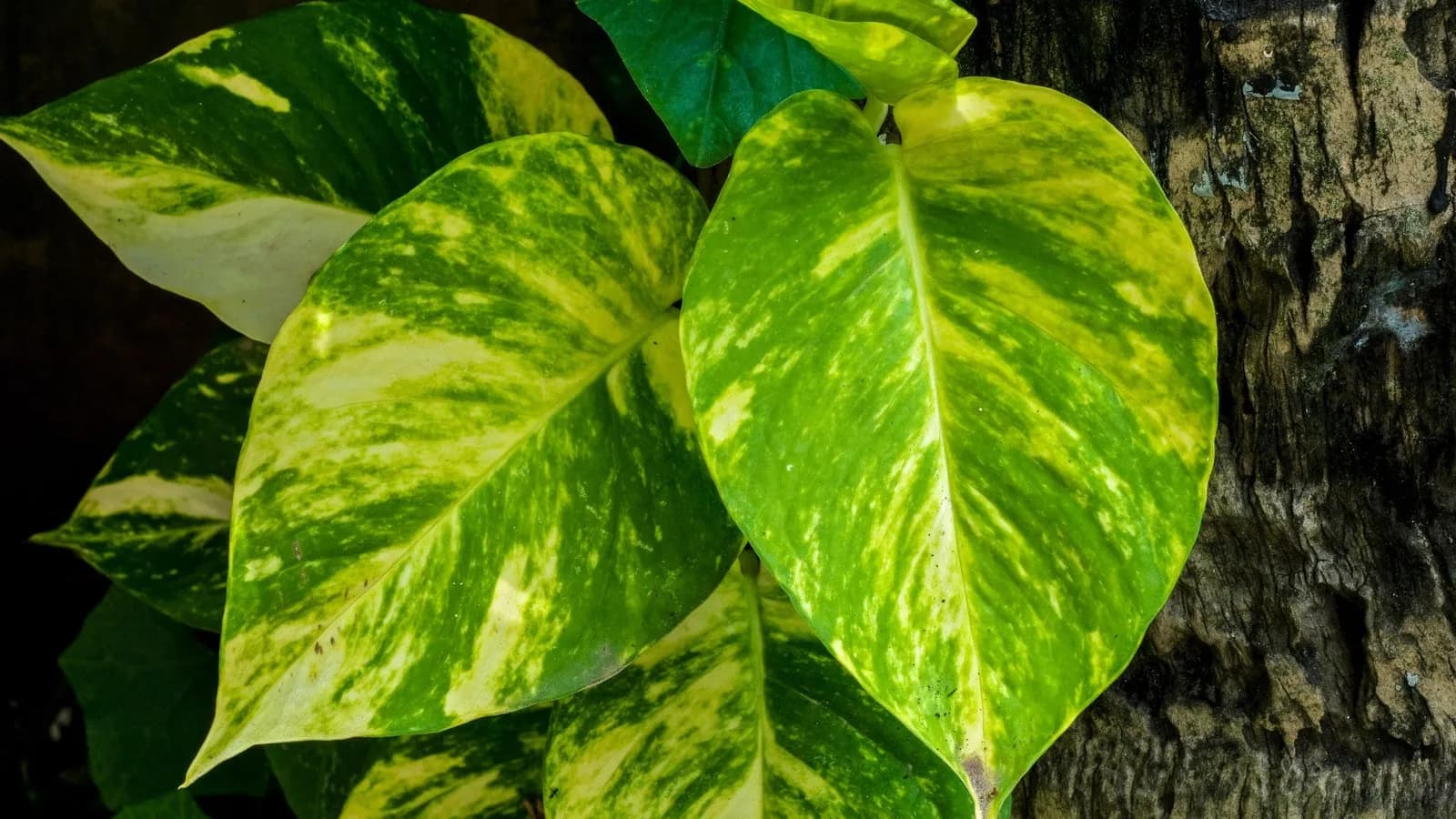
Anyone who has tried to keep a fern alive in a Dubai apartment knows the paradox: outside it is 44 degrees and 80 per cent humidity, inside it is 22 degrees and 30 per cent, and the plant is dying of cold and drought in the desert. Air conditioning is the whole story of indoor plants in the Gulf. It strips moisture, it blows a dry draught across whatever sits under a vent, and it runs hardest in the months when the owner is most likely to be abroad. Add windows that are either blazing south-facing glass or a shaded north wall with a view of another tower, and the list of plants that thrive narrows fast. It does not narrow to zero. The Royal Horticultural Society's houseplant pages are written for British living rooms, but the tolerance categories transfer, and the plants below sit in the toughest ones.
What actually kills them
Overwatering, first and always. Cool conditioned air slows a plant's growth and its water use, and an owner who waters weekly because the label said so rots the roots. Every plant on this list should be watered only when the top few centimetres of compost are dry, which in a cool flat may be every two or three weeks. Second, the vent: a plant directly under or beside an air conditioning outlet is in a wind tunnel of dry air and will brown at the edges however humid the room; move it. Third, light: south and west glass in the Gulf delivers more light than most houseplants evolved for and cooks leaves against the pane; pull plants a metre back or behind a sheer. North light is fine for the shade plants and useless for the sun ones.
The list
Snake plant (Dracaena trifasciata, formerly Sansevieria). Tolerates low light, bright light, dry air and a month without water. Kill it only by watering. ZZ plant (Zamioculcas). The same virtues in a glossier leaf; it stores water in its rhizomes and will sulk rather than die through an August absence. Pothos (Epipremnum). Trails, roots in water, forgives most things, and tells you when it is thirsty by drooping and recovers within an hour. Cast iron plant (Aspidistra). The Victorian parlour survivor, named for its indifference; slow, dark green, happy in a north corner. Dracaena of most kinds, including the corn plant, which reaches ceiling height on neglect. Spider plant, which browns at the tips in dry air but never dies of it. Peace lily, if you want flowers and can tolerate its dramatic wilting, which reverses with a drink. For bright windows, succulents and cacti in a gritty compost, watered rarely, and the ponytail palm, which is neither a palm nor fussy. Rubber plant and fiddle-leaf fig are the fashionable choices and are harder; the fig in particular hates draughts and moves, and drops leaves at both.
The month away
Group plants together away from vents in the room with the most indirect light, water well the day before leaving, and set the thermostat no lower than 25 if the building allows. Self-watering spikes and wicks work for the thirstier plants; the snake plant and ZZ need nothing. Ask nobody to water unless they understand that once a fortnight is plenty; more plants die of a well-meaning neighbour than of drought.
What they will not do
Clean the air. The studies behind that claim used sealed chambers and do not scale to a room with an air change every hour, as we have explained. What they do is make a rented box feel inhabited, and the evidence for that on mood is better than the evidence on formaldehyde. Our small-apartment biophilic guide covers the design side. Start with a snake plant and a pothos, keep them off the vent and off the sill, and water less than you want to.
Published in The Outspoken Digest
Editorial desk
Outspoken Digest Style DeskReports for The Outspoken Digest across Fashion, Design, Lifestyle.
Newsletter
The Digest, in your inbox
One edition, sent when it is ready. No noise, and your address is never passed on.
Read Next
More Lifestyle →
Dinacharya Said Eat Your Largest Meal at Midday, and Chronobiology Spent the Last Decade Agreeing
Sep 4, 2026/4 min read
Forest Bathing Has Real Data and One Awkward Finding About Anticipation
Sep 4, 2026/3 min read

Brahma Muhurta Says Rise Before Dawn, and Roughly Half Your Wake Time Was Decided by Your Genes
Sep 4, 2026/3 min read
Read the Renewal Clause Before You Sign, Because It Is the Only Part That Governs Next Year
Sep 2, 2026/4 min read