More Than Half of English Adults With High Blood Pressure Do Not Know They Have It, a Study of 1.4 Million Finds
Oxford Population Health researchers found 37 per cent of adults enrolled in Our Future Health had hypertension, and 59 per cent of those, about 1.3 million people, were undiagnosed. Even diagnosed patients often had it poorly controlled.
Friday, September 25, 2026/2 min read
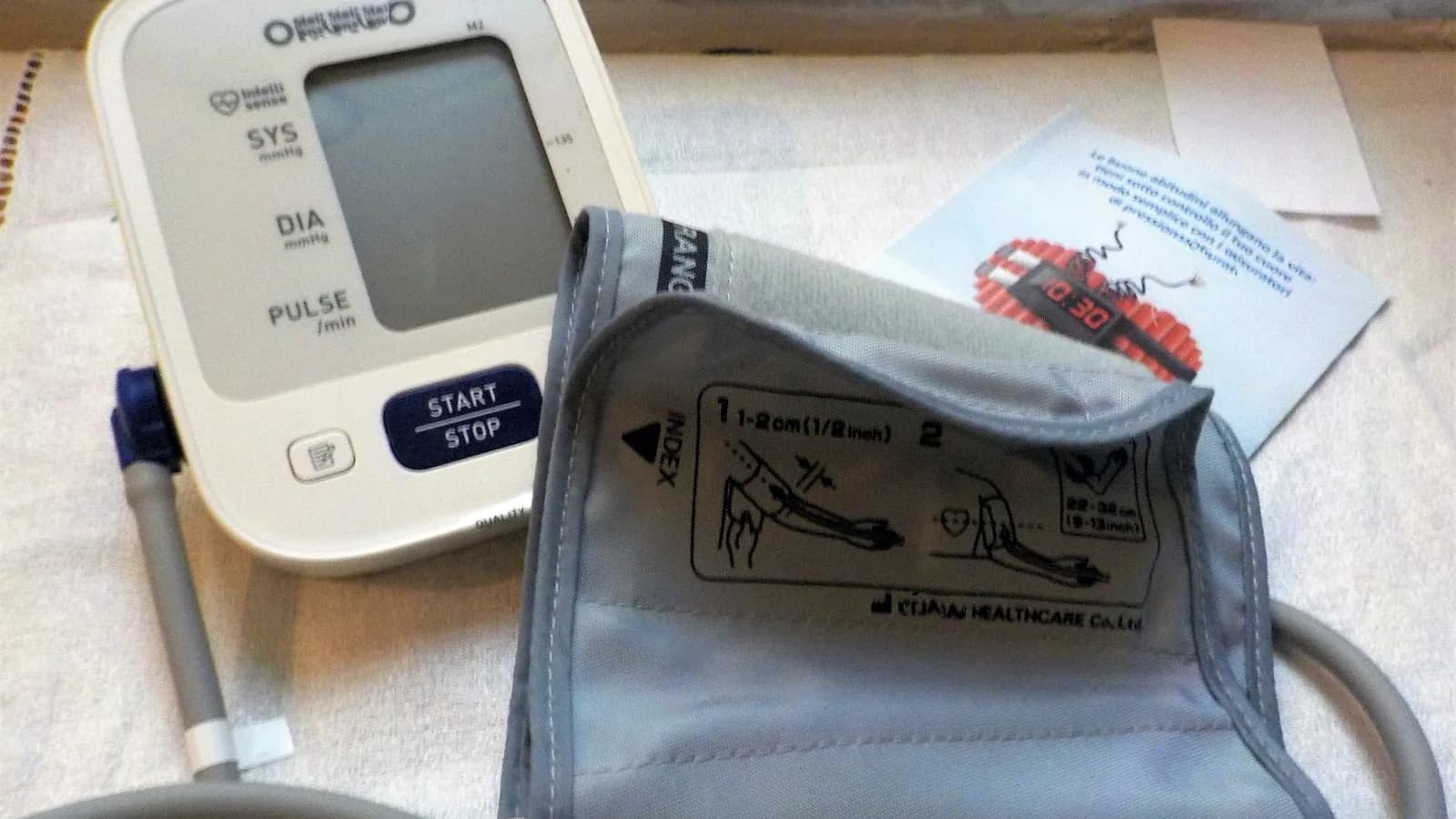
Researchers from Oxford Population Health analysed clinic blood pressure readings from 1.4 million adults enrolled in Our Future Health, the UK's largest health research programme, between 2022 and 2025, and found that 37 per cent had hypertension, and that 59 per cent of those, an estimated 1.3 million people, had never been diagnosed. The study, published in BMJ Public Health, is summarised in StudyFinds' write-up and in a parallel report from Joe, both dated this week.
Who is most affected
The condition, sometimes called the "silent killer" because it typically produces no symptoms while quietly raising the risk of heart attack, stroke and kidney disease, was more common in men than women, affecting 42 per cent of men against 29 per cent of women in the sample, and became steadily more common with age. A further summary carried by Inkl notes the researchers drew on real clinic measurements rather than self-reported survey data, which is part of why the undiagnosed share is considered a more reliable estimate than earlier survey-based figures.
Diagnosis is only half the problem
Among the people in the study who had already been diagnosed and were being treated by a doctor, only about half had their blood pressure adequately controlled, meaning the true scale of unmanaged hypertension in England is larger than the undiagnosed figure alone suggests: some patients do not know they have the condition, and a further large group knows and is being treated but is still not at a safe reading. The researchers, writing in BMJ Public Health, concluded that England's current approach to finding and managing high blood pressure "is not fit for purpose", language unusually blunt for a peer-reviewed paper and a direct challenge to how GP practices currently screen for the condition.
What the researchers are recommending
The paper's authors are not proposing a single new drug or device; the intervention they are calling for is systemic, more consistent opportunistic blood pressure checks, better follow-up on borderline readings and closer monitoring of patients already on treatment, none of which requires new medical technology so much as a change in how existing GP contact points are used. Because the sample comes from Our Future Health's own volunteer cohort rather than a random national sample, the true national undiagnosed figure could differ somewhat from 1.3 million, but the direction of the finding, that a large share of a very large sample either does not know it has hypertension or is not adequately treated for it, is consistent with decades of UK blood pressure research and gives it added weight rather than casting doubt on it.
Published in The Outspoken Digest
Editorial desk
Outspoken Digest Health DeskMedicine, public health and the research behind the headlines, read carefully.
Newsletter
The Digest, in your inbox
One edition, sent when it is ready. No noise, and your address is never passed on.
Read Next
More Health →
Creatine Helped Adults in Their 40s, 50s and 60s Build Muscle Even Without a Workout Plan, Texas A&M Study Finds
Oct 1, 2026/2 min read

A Daily Weight-Loss Pill Worked Just as Well for Women at Every Stage of Menopause, New Trial Data Show
Sep 29, 2026/2 min read
CDC Vaccine Guidance Has Ground to a Standstill Under Robert F. Kennedy Jr., Leaving a New Flu Shot in Limbo
Sep 27, 2026/2 min read

A Paris Simulation Found Drones Could Deliver a Defibrillator Within Five Minutes in 95 Per Cent of Cardiac Arrests
Sep 27, 2026/2 min read