A Catamaran Ferry Left Kyrenia at Half Past Twelve and Began Taking On Water Almost Immediately
The FILOJET was carrying 259 passengers and eight crew to Tasucu. Eight people died, 18 are still missing and 241 were brought ashore. The captain and all seven of his crew have been detained and remanded while an investigation begins.
Monday, August 31, 2026/4 min read
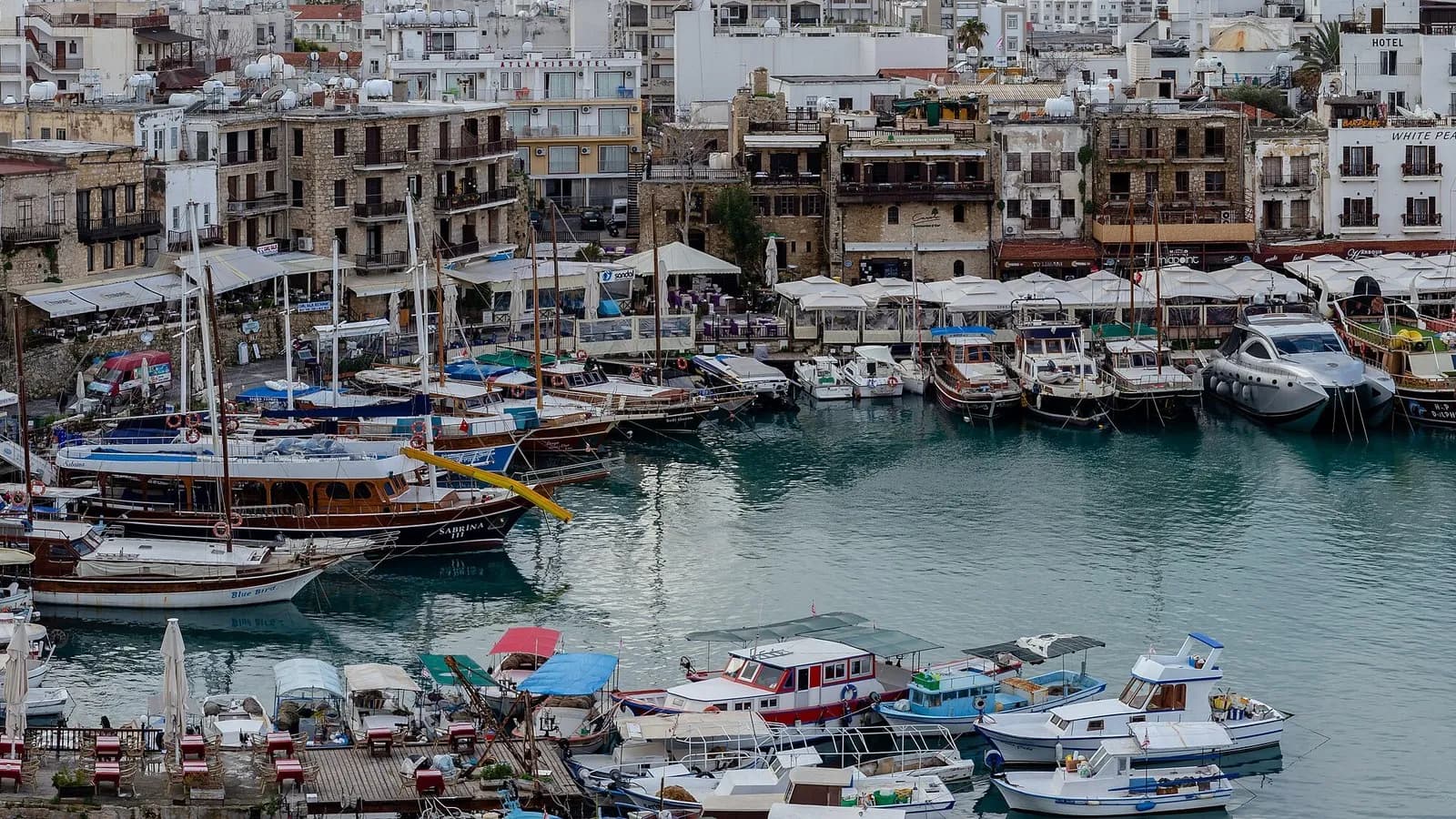
A passenger ferry carrying 267 people capsized off the northern coast of Cyprus on Sunday, minutes after leaving port. Eight people died. Eighteen are still missing. 241 were brought ashore.
It is the worst maritime disaster in Cyprus's history, and the captain and all seven of his crew have been detained and remanded in custody while a police investigation begins.
Those figures settled over Monday. This piece was first published while they were still moving, with the range rather than a single number, and the note at the foot of it records what changed.
What is not in dispute
The vessel was the FILOJET, a two hulled catamaran style ferry operated by Filo Denizcilik, running the short crossing from Kyrenia in the breakaway north of Cyprus to Tasucu in Turkey's Mersin province.
It carried 259 passengers and eight crew. It left Kyrenia at about half past twelve local time. It began taking on water almost at once, and the trouble was on it within roughly fifteen minutes of departure, some four nautical miles out. Conditions were poor.
Survivors quoted in the reporting describe the ferry moving erratically and slamming into the sea, and say the last hard impact broke the bow of one hull, after which water came in.
Why that account is worth taking seriously
Because it describes a specific failure rather than a general one, and because it is consistent with the geometry of the vessel.
A catamaran rides on two slender hulls. It is fast and stable in flat water, which is why it is the standard choice for short sea crossings that have to compete with a flight. In a head sea it does something a single hulled ship does not: the bows can come clear and then land, and the load of that landing is taken by structure that is long, narrow and comparatively light.
None of that establishes what happened here, and the investigation has not happened yet. It does explain why survivors describing repeated slamming followed by a bow failure is an account that maritime engineers will not find surprising, and why the sea state on the day will be central to any inquiry.
The rescue
Fast, and large relative to the size of the places involved.
Four Turkish Cypriot coast guard vessels and a civilian passenger boat went out, joined by five Turkish coast guard vessels and two helicopters. Around 237 people were brought back. On a crossing that had 267 aboard, in poor conditions, with a vessel that flooded within minutes, that is a recovery rate that reflects how quickly boats reached them and how close to shore it happened.
Proximity is doing a great deal of work in that sentence. Four nautical miles from Kyrenia in the early afternoon is close to the best case for a sinking. The same failure in the middle of the crossing, at night, would read very differently.
Why the numbers keep changing
This is the part worth understanding, because it repeats after every incident of this kind and it is not evidence of anyone covering anything up.
A passenger manifest is a list of tickets, not a list of people who boarded. Survivors are landed at different ports by different vessels and counted more than once or not at all. Some walk away without registering. The dead are counted by one authority, the missing are derived by subtracting the found from the manifest, and both inputs are unstable for a day or more.
The reliable figures arrive when a single authority reconciles the manifest against named survivors, which typically takes longer than the news cycle wants. Until then the honest thing a publication can do is give the range and say who is reporting what.
For anyone booking a crossing
Two practical points, neither of them alarmist.
Short ferry routes are heavily used, generally safe, and much less regulated in some waters than the aviation alternative people assume is comparable. Weather is the variable that matters most on a fast catamaran, and a service that runs in conditions a slower vessel would decline is worth a second thought.
The second is duller and it is what we keep returning to on this desk: know what your cover actually does. We set out how thin the answer often is for water incidents in who pays for a rescue at sea, and what an organised response looks like when it works in an account of divers who went out for someone else.
The investigation
Detaining an entire crew is not a finding of fault and should not be read as one. In a jurisdiction handling the worst maritime loss in its history, remanding the people who were on the bridge is how the evidence gets preserved while an inquiry starts, and it is the normal opening move rather than a verdict on anybody.
What that inquiry has to establish is the thing survivors were describing on the first day: whether the bow of one hull failed under repeated slamming, why the vessel was on that crossing in those conditions, and who decided it should sail.
Updated 1 September. First published on 31 August with the dead reported as seven or eight and the missing as 17, 18 or 23, because the sources did not agree. The reconciled figures are eight dead, 18 missing and 241 rescued, from 267 aboard. The detention of the crew, and the description of this as the worst maritime disaster in Cyprus's history, are additions rather than corrections.
Published in The Outspoken Digest
Editorial desk
Outspoken Digest Travel DeskDestinations, airlines, borders and the practicalities of getting there.
Newsletter
The Digest, in your inbox
One edition, sent when it is ready. No noise, and your address is never passed on.
Read Next
More Travel →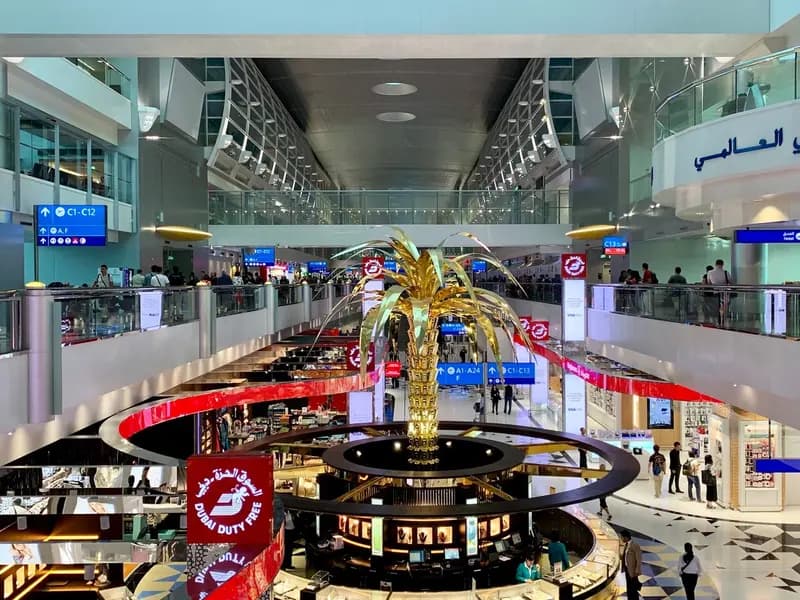
Dubai Had 869,000 Visitors in August, Its Best Month Since the War Began, and Hotels Are Back to Two Thirds Full
Sep 15, 2026/3 min read
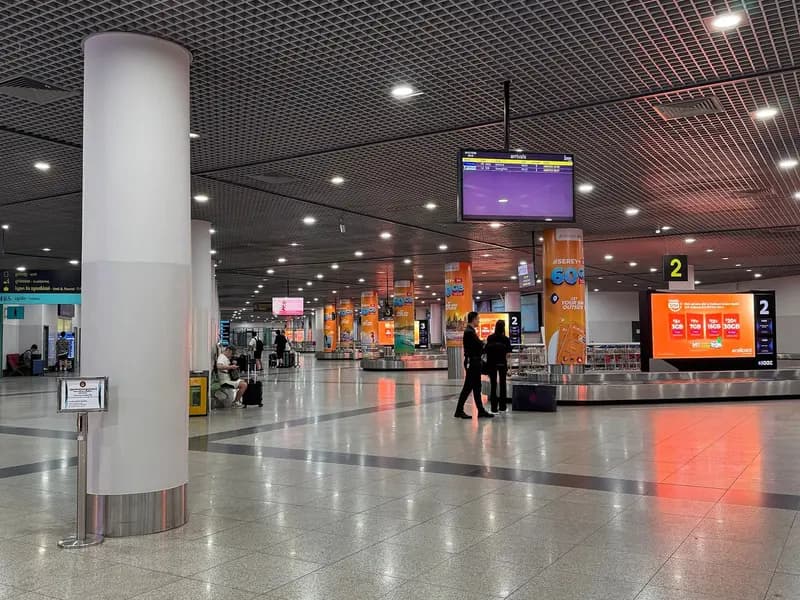
Your Airline Owes You About Two Thousand Dollars for a Lost Bag, and Twenty One Days to Say So
Sep 2, 2026/4 min read
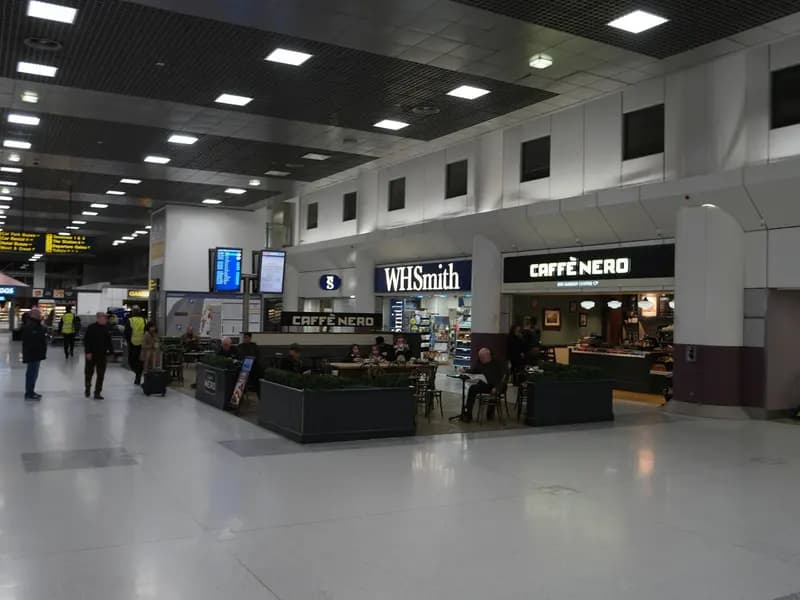
Eight Point Seven Million Airport Customers Lost Data, and the Field That Matters Is the Number Plate
Aug 30, 2026/4 min read
A Glacier Fell 1,200 Metres Onto a River, and a Valley Full of Travellers Was Gone in Half an Hour
Aug 28, 2026/4 min read